

001. Randy
Adventures in Africa and Antarctica on a budget
Randy tells tales of his wild adventures through sub-Saharan Africa: losing his passport, bribing border guards, seeing gorillas, getting stuck in a desert and being accused of being a spy! He also explains how he has managed to visit every continent, including Antarctica, on a backpacker budget!
Listen to this episode on...
Some photos from Randy's travels

Randy in a ghost town in Namibia

Randy’s car stuck in the Namib Desert

Dawn in Madagascar

Randy getting up close and personal with gorillas in The Congo

Changing a flat tire in the Namib Desert, Namibia.

Randy at St. George’s Church, Lalibela, Ethiopia
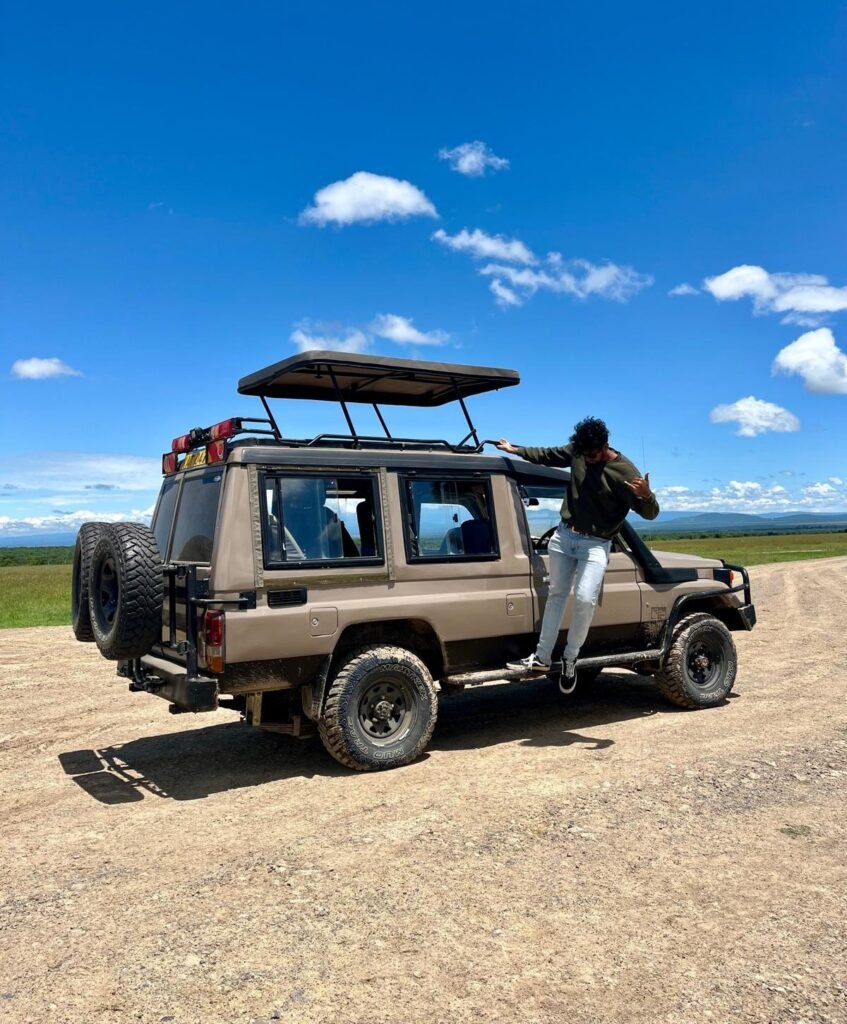
Randy in Kenya
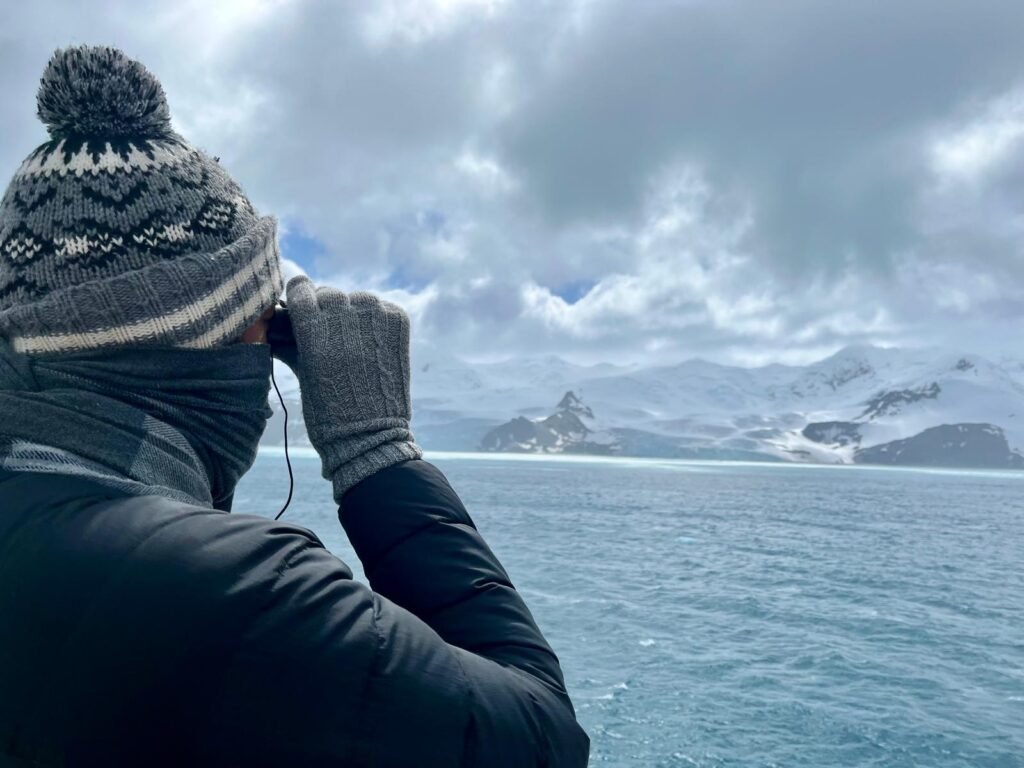
Randy taking in the landscapes in Antarctica
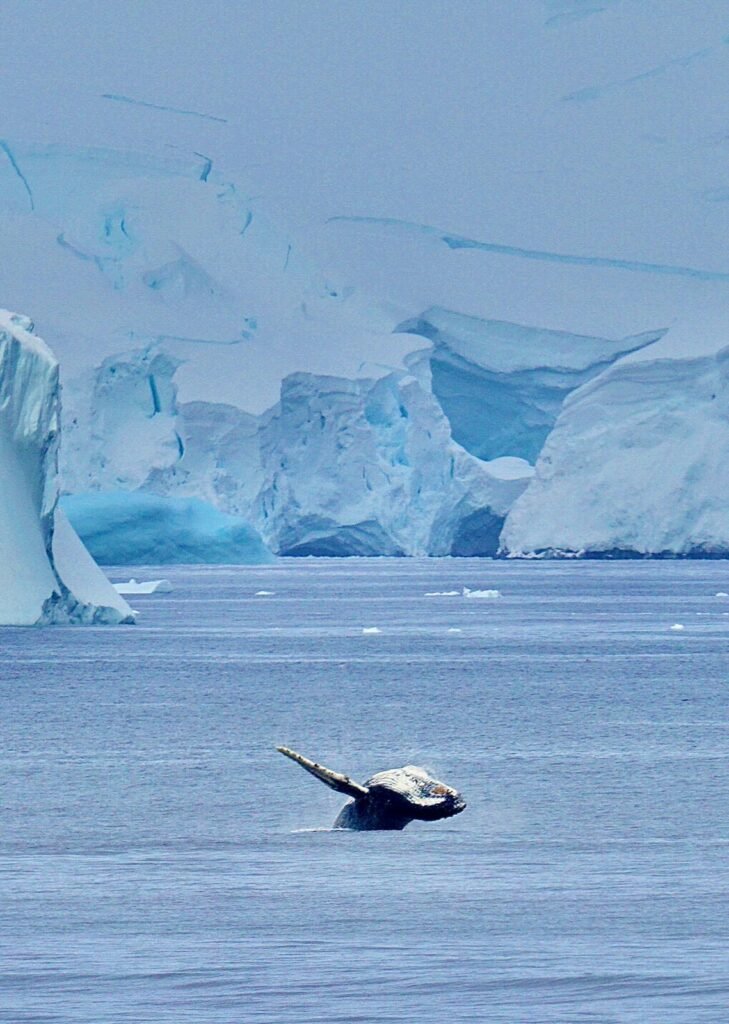
Randy watching whales in Antarctica
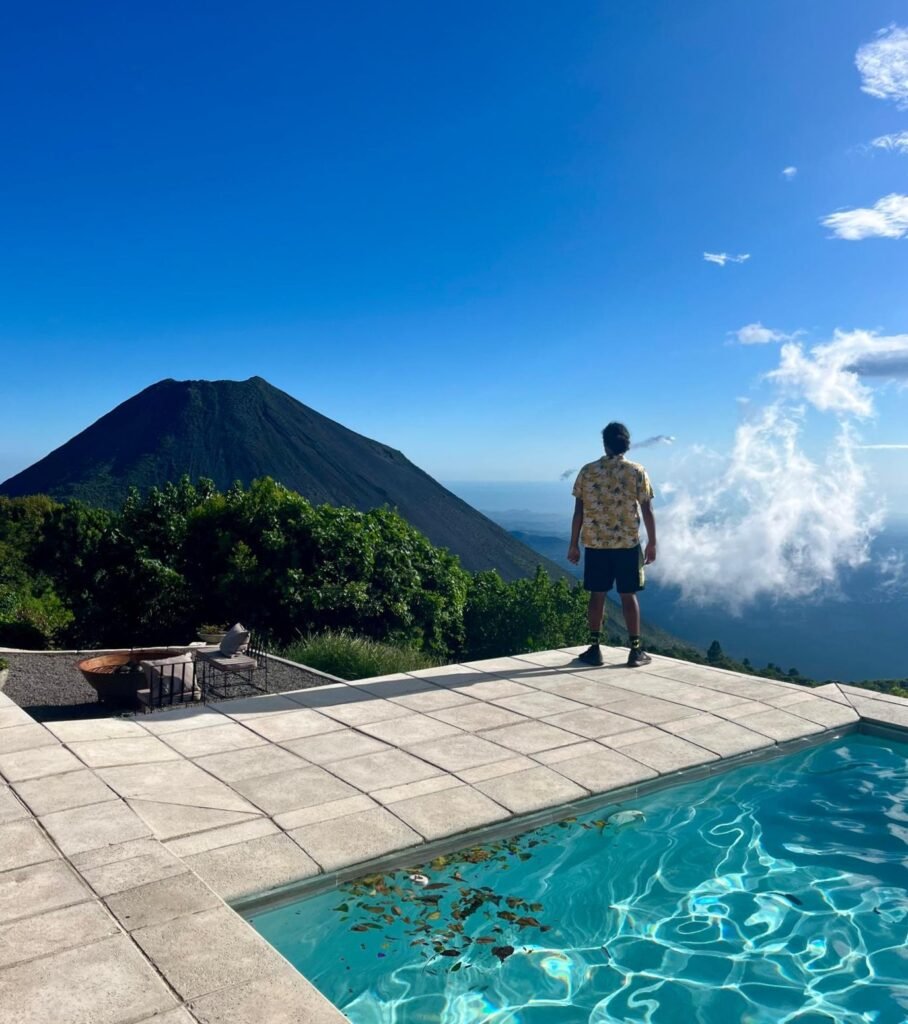
Randy taking in a volcano in El Salvador
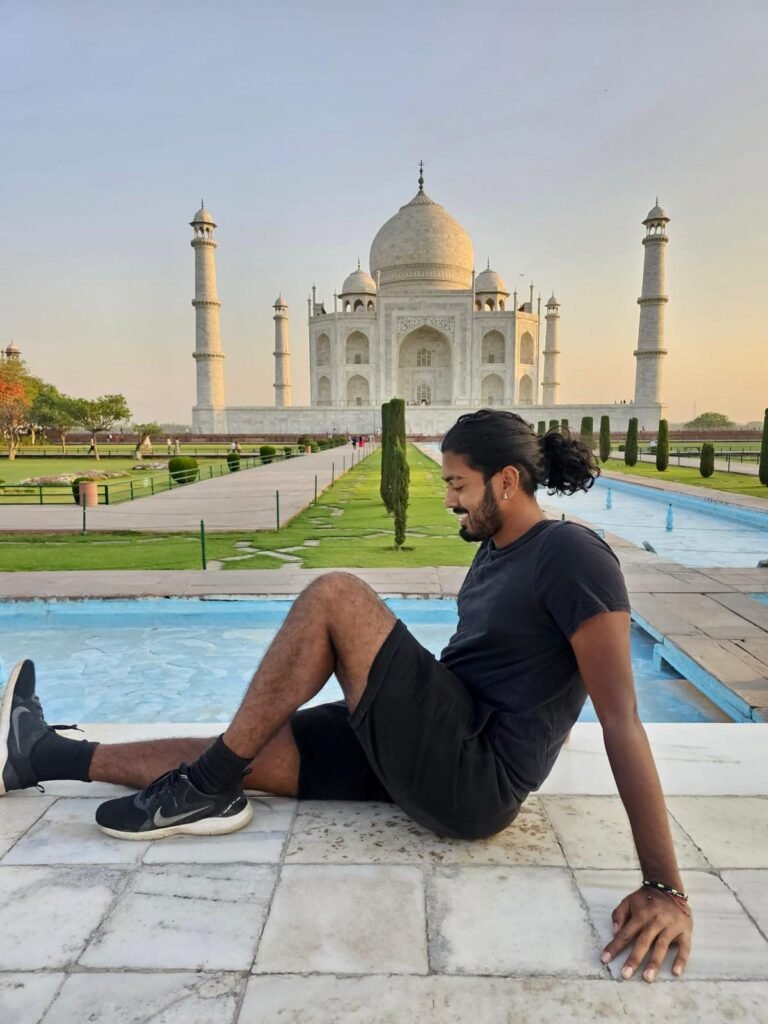
Randy at the Taj Mahal, India
Follow Randy on Instagram
Want to keep up to date? On my Support Me page, you can leave your information to get email updates for new blog posts, podcast episodes and more. Any donations are also greatly appreciated!
Title image: Randy on a Safari in Kenya with a lioness in the background!
Follow the adventure!
As a traveller, my publications are released sporadically. To make sure you don't miss out on new content, leave your details below!
Welcome to the adventure!
Please check your inbox now. You have just been sent an email asking you to confirm your email address by clicking a link. This has likely ended up in your spam folder. Before activating the link please designate the email as non-spam.
A minute after confirming your email you will get a welcome email from me! Please have another quick check and see if this has gone into your spam, if so, you can typically right-click on that email and mark it as 'not spam' so that you don't miss out on future updates. Sorry for the back and forth, I'm not tech savvy enough to have a workaround for this yet!
I will send you the odd email here and there to give you a heads-up when I have big news and new content. Thank you for following along as always, Happy travels! Andy
If you love my content and have found it beneficial, you can also donate via my 'Support Me' page.
Thank you!
Andy Argo (00:06)
Hello and welcome to the Andy Argo Adventure Travel Podcast. In this series, I’ll interview awesome travelers from around the world with incredible stories to tell. Today’s guest, I’m really excited to welcome Randy. He’s originally from Guyana in South America. He moved to the US when he was nine. He’s now calling in from Florida. He’s been to all seven continents before the age of 25. He’s been to 63 countries. He’s seen six out of seven of the wonders of the world. And I’ve been lucky to meet him in Malaysia.
We’ve traveled together to Thailand by boat and we’ve seen each other in Mongolia. So three countries, hopefully more together in the future. Welcome to the show, Randy.
Randy (00:40)
Thank you, Andy. Thank you for having me. Nice to see you again.
Andy Argo (00:45)
My pleasure. So before you came on, we were chatting about awesome travel stories. before we get into the really hardcore ones, you’re getting flat tires in deserts and kidnapped in South Africa and seeing these incredible wonders of the world. Also Antarctica, we’ll touch on that later, but incredible. You’re the person, only person I know I should say, who’s been to Antarctica who isn’t a rich retiree, quite frankly. So the fact you’ve managed to do that on a backpacker budget is incredible. But I think it makes sense if we start with the beginning. So.
How old were you when you started traveling? What made you get into it and how did you kind of ease yourself into it?
Randy (01:17)
You know what’s funny? I’m actually gonna backtrack. Before I even started traveling, I had never even done any kind of travelling. I remember the first time I went to a hotel. I was like sixteen years old. ⁓ the fact that you could drop your towel on a floor and somebody would pick it up for you, I was baffled. Baffled. I was like, Wow, this is crazy. For for me though, travel has always been more like like about freedom, like I was telling you. I’ve always wanted to like go out and see what’s out there. So even like the moment I started working
Andy Argo (01:33)
Ha ha ha
Randy (01:46)
I was putting aside money and I had like put a bank account, I nicknamed it, I was like, six month travel fund. As soon as I’m able to, I’m going traveling.
Andy Argo (01:56)
then to save up for your travels as well, then how did you manage it from such a young age and to do so much?
Randy (02:03)
I’ve I’ve always kind of been good with money. I do have a background in finance. I work as a banker. I have a degree in finance and economics. my dad always told me since I was like little, little all the money you earn, pretend only half of it is yours. And the other half just tuck it away. And I’ve had that since I was a kid. So I’ve always humbly not humbly, I’ve always never been short of money since I’ve started working.
Andy Argo (02:31)
And then for your travels as well, obviously, when I met you, we were bumbling around Southeast Asia at first. And ⁓ it was a longer trip. I think we’re both in sort of a long-term travel of you. I think for some people, they kind of find it intimidating to kind of just go off and have these bigger adventures. you’re a lot more organized than me. I kind of wing it. I book a one-way flight. I ask around at hostels. kind of do a couple of minutes of Googling in airport for a go. I feel like you do it really well in the sense you kind of, we talked about this before, before we started recording in the sense you kind of.
You seem to organise it to a degree that makes it cheap, affordable and somewhat organised for visas without it being so strict that you’re kind of having every minute and every day planned out. So how do you kind of manage that side of things?
Randy (03:11)
Well, what I’ll do is I’ll kinda make a rough map based off of what’s affordable. So let’s say there’s a destination that I wanna get to, or there’s somewhere that I’m at currently, I’ll see I’ll literally I’ll go into Skyscanner, I’ll search the country that I’m in to everywhere, and then I’ll just see where I can like track my trip. Like where I can trail and okay, I can go here and then here and this wouldn’t cost an arm and a leg because sometimes it doesn’t make sense
to go to one country and then you wanna go to a country that’s completely out of the way and you’re gonna spend two thousand dollars just to move from one country to another country when you could have made stops on the way and it’ll be like fifty bucks each time and now all of a sudden you made it to the same country for a tenth of the cost.
Andy Argo (04:00)
such a good way to do it. 100%. I know, see when we saw each other in Southeast Asia, you mentioned about cheap flights from Bangkok to Sri Lanka. I knew you wanted to go to Sri Lanka. So I, a bit like what you’re saying, I factored that into my trip. I was like, well, I’ll circle back to Thailand again at some point in the future. I ended up getting a bus from sort of Western Cambodia to Bangkok, then got a really cheap flight. And like you say, that was cheaper than flying from Cambodia to Sri Lanka. It was like an eight hour bus ride. I’ve saved myself like, you know, it cost a third of the price. And like you say, you a load of money. And then in terms of your trips as well, I’m curious.
We mentioned obviously you spent a lot of time in Africa. That’s somewhere that a lot of people I think will see as hardcore. You know, it’s somewhere I’ve not dabbled in, you know, sort of enough at the moment. So how do you sort of to, go into these places which are off a beaten track and which ones are kind of underrated, let’s say in Africa from where you’ve been.
Randy (04:46)
Well, you know, I’ll actually backtrack a little bit because you had asked me a previous question about traveling. I had always traveled like a normal person with vacation, but I had never done like long form travel. Like properly leave everything and then say, I’m gonna travel. I’m now a full-time traveler, all I’m gonna go do is see the world. That changed during one trip. It was ⁓ I don’t know if I ever told you, I went to the Galapagos and it was somewhere I’ve wanted to go since I was like a little kid from like science class.
And you see the different birds and the penguins and all of these things. And I met this one traveler that changed my perspective. Because people are the ones that kind of influence each other. He changed my perspective as to the way you can view travel or just the world, money, all of it. He had a flat that was fully paid off that he paid that he got $2,000 a month from. And he said, With this $2,000 a month, I haven’t worked in seven years. And I was like, Wow, that’s crazy.
Because if you think about it, if you live in a high economy like kind of country, like a expensive country, that money doesn’t mean the same as if you’re in Thailand, which you know for sure, if you’re in Malaysia, if you’re in India, if you’re in Sri Lanka. So then once that like clicked in my head, I was like, Okay, this is feasible. I just need to like kind of make the framework for it. And then once that once I have the framework for it and I start travelling, I kind of piece together the rest from there. I know it was a different question, but
Andy Argo (06:13)
No, no, it’s a good answer. I suppose the question then on the back of that, this is the catch, isn’t it? What’s that expression? It’s either for your 20s, you either live them up or you work them up. And you’ll end up being either a broke 30 year old if you live them up, or you’ll have money as a 30 year old, but you’ll be lacking travel experience and life experience. So the question is, how do you balance that kind of wanderlust with saving to obviously buy a house? And you’ve done it in a really good way. ⁓ So I mean, you’ve started working quite young, right? And you’ve saved up and you’ve had this kind of long term dream, which is a great way to do it, of kind of setting that goal.
Do you think that’s kind of achievable for everyone else as well? You know, obviously in the US pays pretty good, especially compared to, you know, the UK. Do you think a lot of people should do the same if they can to kind of get some investment that kind of pays their own way for traveling?
Randy (06:56)
I think it depends on the person, their personality, their lifestyle, and what they want out of life and travel. Because in my day-to-day life, like I told you, I live very below my means. I don’t need luxurious things. I’d prefer to go scuba diving. I’d prefer to go do something wild, go on a trip. I don’t want an item that’s gonna cost me a lot of money. I want an experience that’s gonna cost me a lot of money. Finding a balance though.
For me I did it in an extreme way. Like I would like I I I did do a lot of financially cool things. Like I bought a house when I was twenty one. But before I bought that house, I was working and making really good money and I was living in a room. But that’s for me I wanted that leap from a room to my own house rather than a room to my own apartment to then my own house. I would rather like sacrifice in the beginning to have it later on.
And that’s kind of what I’ve done to to allow me to build like a career, have money, and also travel. But but it it’s almost like an immigrant mindset for a lot of immigrants that come to the US and they want to build a better life. Like my parents left their life in Guyana to go to the US just to so that we could have a better opportunity. So when I came here, I was like, no, I’m not gonna waste that.
I started working the moment they would legally allow me to work at 14. I was at McDonald’s, taking orders, learning Spanish, learning skills that I wouldn’t know until now how useful they are.
Andy Argo (08:35)
think it’s incredible. And I think the one that kind of resonates with me is the self-restraint. think it’s easy, isn’t it? You know, you hear a lot of 18 year olds, they get the first paycheck and it’s like, I’m going to buy, you know, a new iPhone or a car. And I think having that sort of long-term mindset that you will, that’s going to come good, you know, and I kind of, don’t know if you do the same, almost see my hourly wage and I’m like, well, if I work one day in this job, that might equal two days of traveling. I don’t know about you, but that’s kind of my motivation for saving and not spending that money on frivolous stuff is I’m like, well.
this will combat dividends in the future in terms of life experience. Do you find sort of find it a good motivator as well looking at that way?
Randy (09:10)
I do. When I was younger, I used to think about how many hours something would have cost me. So my first ever job My first ever job, I after tax I made about five bucks an hour. And anything I wanted to buy, I was like, okay, if this is twenty dollars, it’s four hours of my life I had to put to get this item, is that worth it? I don’t view things the same way now. And I don’t think that my viewpoint is necessarily for everyone.
Andy Argo (09:16)
Yeah, I did the same,
Randy (09:39)
People need their comfort and that’s that that’s for them, but people need to know that the trade off is if you’re always at your means or above your means, that things like travel can be unattainable because you can’t see a way to put aside money if you’re already at your means or above your means.
Andy Argo (09:59)
Of course, I feel like it goes a lot further, isn’t it? It’s easier to be frivolous. Say we’ve both traveled in India and of course you can live a very good quality of life there. Obviously, earning Western money, spending it in India, obviously helping their economy, but also it’s from our selfish point of view, you live a very good quality of life by taking those Western dollars, spending them in the East or somewhere cheaper. I think that’s the way to look at it, isn’t it? I’ve been talking about you, but I don’t drink. I don’t really drink when I’m in Western countries. I’m out of the bit when I’m on holiday, but I just find it a big expense. I’m the same. I’m looking at it thinking, well, that’s…
that could equal me renting a motorbike and traveling around some random offbeat part of the world. I think it’s definitely a good mindset. And then in terms of trips as well, I’ll be honest, we should probably do this in more of a chronological order. But before we start recording, we’re talking about you in Namibia getting a flat tire in the desert. Like I say, probably should be more organized, but I want to dive straight into this story. It’s pretty awesome. So how do you find yourself in Namibia with a flat tire in the middle of a desert and helping Korean people hitchhike out to safety?
Randy (10:59)
Honestly, it’s funny because even before I made it to Africa, the only reason I went to Africa was because I went to Antarctica. And I’ll I know you want the story for Namibia, but there’s another story before that when Yes, yes, yes, yes. So before I even went to Antarctica, when I was in Asia, when I had met you, I remember I was I was in a hostel bed in Brunei and I was sick as a dog. You get sick once in a while traveling. And I remember meeting this
Andy Argo (11:11)
Let’s do it. I love a tangent. Honestly, more tangents, the better.
Randy (11:28)
person in the hostel and I was telling him I wanted to go to every ⁓ continent before my trip was over and he was like good luck on Antarctica and I was like no I’m gonna find a way so being an American I know about Black Friday deals and every Black Friday people go buy things I always look for vacation deals. So I go on Black Friday happen to have been the Black Friday whenever it is end of November
And I purchase ⁓ a cruise to go to Antarctica and I look at the date, I didn’t purchase it, I just plugged it in and I was like, Okay, if I get four people to do a commercial cruise that can sail around and see Antarctica, it works out to about a thousand euros a person for a two week cruise down Patagonia.
Sail around Antarctica. We were supposed to go to ⁓ Falkland Islands, but that stop got cancelled. But nonetheless, food included, unlimited alcohol, and all I need to do is convince three other people. Obviously, you know I have a great relationship with my cousin Donna. I called her up, I was like, Hey, Antarctica, January, eleven hundred dollars. Are you going? She’s like, Yes, I’ll send you the money right now. I had met this other guy in Thailand. I think I had messaged you as well.
Andy Argo (12:46)
did, yeah. I think I was somewhere out east and I was too cheap to pay for the flight to Argentina, wherever it was at the time, because I was broke in Asia. So was like, it’s just too far. In hindsight, I probably should have done it for the amount of money to save and then just flown back to Asia and carried on my trip. So yeah, I totally missed the boat. But next time, at least I know your secrets now so I can try and do the same.
Randy (12:57)
Mm.
Yeah, so I I hit up my German friend and I was like, hey, do you wanna go to Antarctica? He’s at work and he’s like, How much is it? And I tell him and he talks to his parents and they think it’s a scam. I was like, it’s not a scam. It’s just a different way to do Antarctica. And we ended up getting it together. We all fly down. Before we go there we go to Chile and we hit a road trip, another great like travel story. But we go to go on this cruise.
And us being irresponsible young backpackers, we missed the cruise. I don’t know if I ever told you this. We went.
Andy Argo (13:41)
you didn’t know. I thought you’re my organized backpacker friend as well. You’re the one person I trust to be organized on a trip. It’s very unlike you.
Randy (13:48)
I am very organized, but I am very spontaneous. I I don’t know how that works, but I’m a walking contradiction. So we’re in Argentina and we’re supposed to go board for our cruise. We go, they had switched the the boarding dock to the alternate port or whatever it was. We go there, we’re like two hours before the the ship sails. They said immigration’s already left, you guys can’t board. There was two other people.
Andy Argo (14:16)
Disaster.
Randy (14:18)
There’s two other people that also missed the cruise, and it was an African couple under Honeymoon. And theirs was because of a visa issue. Also the privilege that we have coming from like a first world country versus their their country. But we ended up becoming friends because the guy he had to sort stuff with the embassy and he sent his wife with us on the solo honeymoon. She joined us, these four backpackers, on a cruise, until he could sort out.
Andy Argo (14:32)
Yeah.
You’re kidding.
I never knew
this.
Randy (14:48)
Yes, until he could sort out his visas and then he took like an eighteen hour bus ride and drove down Patagonia to join us. ‘Cause the first stop was in Buenos Aires. We missed it. The second stop was in ⁓ Montevideo. And we had to go overnight bus from there to Montevideo because we were too cheap to pay for the ferry, being broke backpackers. The two hour ferry were like, no, we’ll save the night of accommodation and we’ll take the bus.
Andy Argo (14:50)
No way.
on yet. It’s got to be
done. You can have some sacrifices,
Randy (15:19)
But if we hadn’t met them, if we hadn’t missed the cruise, we ended up joining it the next day. We would have never gone to Africa, because we became friends with this couple. And the guy he’s very well connected in Africa. He does law. He knows a lot of people. He has a lot of contacts in different continents. in different countries within the continent. So he literally invited me and my cousin. He was like, Come to Africa and I will show you around. So we already had like
Andy Argo (15:45)
way.
Randy (15:47)
guidance almost from the connections that you build.
Andy Argo (15:53)
Where was he based in Africa then? Where was he from?
Randy (15:57)
They were from Kenya. They lived in a city outside of Nairobi called Naibasha.
Andy Argo (16:04)
I think that’s the good thing about traveling, isn’t it? The more people you meet, they’ll help each other out, right? They’ll inspire you to go to new places. I think, you know, I’ve done about half of my trips is just chatting to people and they’ll be like, go here, go there. And I often just get these amazing recommendations that I probably wouldn’t have otherwise found. You know, and likewise, if you honestly, I’m stealing all your travel tips as you know, as we chat and stuff like that. And it’s such a good way to do it. And especially there, these parts of the world that Westerners know little about, right? If you meet someone, they’re like, no, it’s safe, it’s easy. We’ll look after you. It’s a no brainer.
Randy (16:33)
No, but it’s funny because we met this couple. The cruise to Antarctica was crazy because everybody on that cruise was over the age of 70 for the most part. It was all like retired senior folks. If there was someone young, if they were very young and their grandparents brought them on the cruise. So we were the only people in like our early twenties paying for our own fare and
Andy Argo (16:46)
yeah.
Randy (17:00)
We were kind of like the hooligans of the of the cruise ’cause we were partying every night or going down the Drake passage, the boat swaying and we’re on the dance floor, drinking. We had a drinking competition ’cause we had unlimited booze.
Andy Argo (17:14)
For a grand as well. That’s just nuts, isn’t it? If it’s all that stuff for free, it’s like, might as well give it away. But like I say, you’re the only person I know who’s not a retiree. He’s done it. And by what you’re saying, it sounds like it’s definitely not the done thing as well.
Randy (17:15)
Mm.
No, but that’s because there’s two main ways to do Antarctica. You can go on like an expedition where it ha because there’s like treaties as to how big the boats can be that actually set foot on Antarctica. And I think it’s like less than a hundred or less than fifty people. So these expeditions cost I think the cheapest like t ten, twenty grand. But what I did was a commercial cruise line that will sail you around to see the animals and the landscape of Antarctica.
So I didn’t actually get to step foot, but I got to see everything that Antarctica has.
Andy Argo (18:03)
I see, clever. Well, that’s the main thing, right? As long as you’ve seen the animals, you know.
Randy (18:08)
And I mean the day that we were there, that we were sailing around, it was beyond anything you could ever imagine. You’re sailing around, the captain’s speaking on the on the microphone, and he’s just like pointing out like the humpback just jumped over there and there’s orcas over here and there’s penguins everywhere and there’s like the icebergs and there’s the seals laying on it, and it’s like I think I was twenty-two or twenty-three at the time, and I’m like, wow, what a life. Like
People wait until they’re seventy and they can’t even walk from one side of the ship to the other to see this. And we’re like twenty two years old when he says hump back on the right front deck, we’re already racing to the right front deck ’cause we wanna see it so badly.
Andy Argo (18:52)
all these poor pensioners out the way as you go. Sorry, Doris. So how long after then did you end up in Africa then? long? Because obviously, suppose you’ve got limited budget as well, right? I know for you as well, when you’ve been traveling a lot of the time, I’m guessing you’ve had no time limits. You’ve got no sort of weddings or family events to come back for a lot of the time if you’ve been quite open-ended.
Randy (18:54)
We’re taking
Yeah. From Antarctica Antarctica was in January and then we ended up in Africa in March. March or April? Right around then. Yeah, ’cause we spent two weeks with these people that invited us and we’re like, we’ll take them up on their invitation because my cousin and I w were just like everybody else, kind of with your own bias about the continent, about what it’s like to travel there. And
Andy Argo (19:25)
pretty soon after.
Randy (19:42)
The girl was from Ethiopia, the guy was from Kenya, and they’re two neighboring countries. So my cousin and I went together. I remember when we landed in Addis Ababa and we arrived and we looked around, we’re like, this is Africa? Like the city was built up, there were size skyscrapers, there were all of these things that you would never expect off of like preconceived bias ever.
Andy Argo (20:05)
Yeah.
Randy (20:07)
And then the girl would give us such good tips. There’s so many insider tips that even coming back to America, there’s something that I learned from other travelers, and it includes myself, you never trust diaspora. Diaspora might have grown up in a specific country, but they don’t they haven’t lived through the evolution of that country. So I have a favorite Ethiopian restaurant that I go to here. When I talk to the owner of that restaurant about what it’s like to travel in their own country
Because I went more recently than them, I know modern tricks that they wouldn’t even know.
Andy Argo (20:41)
Yeah.
Randy (20:41)
And I
once I start making video content or anything about travelling or anything like that, like Ethiopia is such a interesting country, they have a black market for their currency, cash is king. If you know nothing about the country versus having knowledge, you can go and have the exact same trip and pay double or triple the price just off of a lack of knowledge.
Andy Argo (21:08)
But in terms of you staying there as well, so were mainly staying with them or were there sort of accessible hostels and stuff you used to stay in or how do you manage it?
Randy (21:14)
No no.
This is funny. They live in Kenya. We my cousin and I are just being adventurous. We’re like, well, if we’re gonna go, we’re gonna go to Ethiopia and Kenya. So we went to Ethiopia, me and my cousin. They were not there with us. So we arrived the first few nights we stayed in a hotel and we got like kind of sorted. We we got money exchanged. We found out the tricks. Ethiopia has Ethiopian Airlines. If you fly in and out of
In or out of the country with Ethiopian Airlines, all of the flights domestically are fifty percent cheaper.
Now, Ethiopia also has the black market, like I mentioned. If you pay everything in cash and you exchange at the black market exchange, you also get another 50% reduction. So if you went online and looked for a domestic flight in Ethiopia, it might come up something like a hundred dollars. But if you knew to exchange money in cash and go to the physical ticket office like back in the days,
And purchase your ticket in person, you’d pay twenty five dollars for the same flight.
Andy Argo (22:20)
Yeah.
Jesus. It’s crazy isn’t it because think well if you’re spending, obviously you can’t always get as good a reduction as that but yeah let’s say if you are getting 25 % off I’m always thinking well I can travel for four times as long. You know it just extends your trip by so much longer isn’t it and let’s be honest I think one of the big things about traveling for me as much I love traveling I also love not working so it’s like the more time you can have just chill it out explore these places it’s an absolute godsend.
then you sort of, when you’re in Africa, had you already planned the risks of your African trip or take it at this point, you’re just winging it and you’re just, you know, you’re hearing which countries are nice and you’re bouncing around.
Randy (22:56)
⁓
I was really winging it. My cousin and I went, we did Ethiopia and then we crossed over into Kenya by land. Even the African couple that we had met had never done that. And it was honestly us having a backpacker mindset and the flight from the capital city in Ethiopia to the capital city in Kenya like two or three hundred dollars. And we’re like, this isn’t our flight. But in Africa things work differently because there’s not a a high demand for flights, so they
hike up the price tremendously. So an hour flight could be two, three, four, five hundred dollars. And when you’re traveling or if you’ve been to like Asia where the flights are like twenty dollars or in Latin America and they’re like forty, fifty dollars, you’re like, I’m not paying three hundred dollars to go via plane. I’m gonna figure this out by land. So even that it ended up being like a wild adventure. My cousin and I took a domestic flight to a smaller city. It was called Arbor Minch.
We were trying to get to Kenya by land. We go from there, we get into the bus station. The bus station said that they weren’t working because it was like their version of Easter. They follow like a different calendar. We go from a tuk tuk to a ride shuttle share. And then from there we make it to this random, like butt fucknowhere city. We tried to stay in the city and there’s like two accommodations that are
Andy Argo (24:09)
Yeah.
Randy (24:25)
Horrendous. We stay there, we wake up the next night, we get another bus, and we make it to the border. Once we make it to the border, we walk, we physically walk across the border. We Yeah, I’ve probably walked across maybe 10 or 15 borders.
Andy Argo (24:32)
You
He walked across.
You worried about the border crossing itself? Because I know I’ve heard, you know, some parts of Africa and it’s been once even in Southeast Asia, I’ve heard stories of people crossing borders by land and you know what the local cops obviously for them, it’s kind of a bit of a cash cow. Were you worried about sort of bribes, that kind of thing as you’re trying to get across? Was it smooth sailing or like do have those issues anywhere?
Randy (25:02)
I think in the moment I was just thinking if something comes up, I’ll just deal with it. In the moment. So we were there. At that time, my entire time in Africa, I did not have my Guyanese passport, which would have been so useful. Because the moment they know that you’re American, instantly they look at you like dollar sides. But we crossed the cr the border and it was fairly easy. We knew what we needed, we filled out the stuff beforehand.
Andy Argo (25:21)
Yeah.
Randy (25:32)
The other thing that I will say about Africa, I’m from Guyana, but I’m still of Indian descent, so I look Indian. And there’s a ton of Indians in Africa. The British took them, spread them across to build the railroads, and a lot of them stayed there. So everywhere I went, there was always an Indian. So people would think that I’m local. Or if they didn’t think that I was local, they thought like I was a family member of someone that was local.
Andy Argo (25:52)
Yeah.
jackpot. Yeah. So at least you’re not standing out, right? You’re kind of blending in and getting a bit more help potentially along the way.
Randy (26:07)
Yeah, so we did that, we got over into Kenya, we spent some time in Kenya, and then I was gonna go to Uganda to I wanted to see some animals and then I was gonna go to Dubai after. And I thought about it, I was like, I’m only gonna be in Africa probably once for a long time, because it’s not it’s not an easy place to get to. And I was like, okay, maybe I should cancel this Dubai flight. It was a refundable ticket, I cancelled it.
Andy Argo (26:29)
Yeah.
Randy (26:37)
I took the bus from Nairobi to Kampala. I stayed in a hostel in Kampala. This was like the first solo portion of my Africa. I was in Africa for like five months and about three of it was solo.
Andy Argo (26:50)
Incredible.
Randy (26:52)
Yeah, so I went to Kampala, I met this German girl, blonde hair, blue eyes, sticks out like nothing else, but has like the balls like no other. I met this Italian guy and we decided we’re gonna go find a local safari to do. I had already done one in in Kenya, so we look up, do a ton of research, we find this place that’s like twenty five dollars a night.
Andy Argo (27:04)
Yeah.
Randy (27:21)
Give or take, I think it was like twenty-five thirty-five, something around that. The girl and I share the cottage to save money. And it’s on the national park. So when we get there, there’s elephants roaming around right where your room is. There’s like hippo footprints, there’s lion footprints, there’s like animals everywhere because you’re on the park. And for that, I think it was twenty-five or thirty-five dollars a night, it had breakfast, lunch, and dinner included.
Andy Argo (27:38)
aye.
Jesus.
Randy (27:51)
But there was a
there was a lot of research, like we had to look up where it was. A lot of these places you don’t book it online because a lot of the times they pay all these fees, you get the number, you WhatsApp them, or you give them a call, and then you negotiate. There’s like a lot of things that by the time you get I call Africa top tier, it’s like the highest level of traveling, the most difficult. By the time you get there you need to have a certain level of skills, travel wise.
Andy Argo (28:14)
Yeah.
So definitely not a good idea for a beginner to go straight to the back end of Africa and start trying to hackle down for safaris. You wouldn’t recommend it for you novice who’s never left their own country, I take it.
Randy (28:30)
Yes, I would not. Unless they’re gonna play a huge surcharge to a a tour company is gonna charge ⁓ thousands of dollars and they’re gonna go in a group, it’s gonna be crowded, it’s gonna be a very specific experience, kind of geared towards retirees.
Andy Argo (28:49)
Well, that was another thing. Again, we’re still tangening off from this story of the flat town Namibia, but we mentioned a bit about before about how certain… where we’re circling back, we’re teasing everyone. But we sort of mentioned before, before we started hitting record about how certain countries attract a certain demographic of backpacker. Like we spoke about Mongolia, obviously Thailand, I think probably has a very good mix. You know, you’ve got a good age range of people there, you know, quite a variety, but then obviously Mongolia.
Randy (28:56)
I know, wait, we’ll we’ll get there. I was
Andy Argo (29:16)
both spent time there. say your backpack as you get around there are a little bit more hardcore and adventurous. If you are more of a hardcore person, you might meet people of that kind of ilk and they’ll tell you about other more out there places to go. A lot people were going like you, who obviously went by, mean, guess the whole story in itself. Obviously, you got the train from Ulaanbaatar in Mongolia to Beijing over the border into China. There’s people going to Kazakhstan and Central Asia.
And I guess in the same with Africa, right? You’ll meet, you know, if you go somewhere that appeals to you, chances are for people listening to this, you might meet similar people. They’re there for similar reasons, probably similar personality. So I think in terms of meeting people, that kind of works out quite well,
Randy (29:53)
Yeah, so honestly, it it’s people. The people that you meet are the people that help you, and the people that kind of inspire you, they give you ideas, they kind of guide you, the ones that know more than you, or the ones that know less than you that learn from you. And people know like.
different areas differently, they know different countries. So like when I finished in Uganda, I was like, okay, I don’t want to go to my plan was to go to Europe. I was like, I don’t really want to go to Europe. I want stay in Africa. I was gonna do Dubai and then from Dubai back to Europe. So after the safari and we saw all these cool animals, I decided to go to Rwanda by myself. And it was very straightforward. I asked the place that I was staying, I was like, hey
How do I get from here to Rwanda? And the lady said, at this point, your easiest way is to hire someone to drive you on a scooter to the next city that you can grab a major bus. That would be the most cost effective. So I forget how much it cost, probably anywhere from five to ten dollars. It’s been a while. I don’t remember exact numbers. But I she called up a taxi, a moto taxi for me.
Andy Argo (30:51)
yeah.
Randy (31:08)
I got on the back with my backpack. And at this point in Africa I’m dry- I’m going I’m backpacking with one like small backpack. Cuz I’ve just downsized a lot, it’s hot for the most part, and I was like, I just need it to be easy to move around. And I don’t want to stick out like a sore thumb with two big backpacks. Like if you went to Thailand, you can do that. You can pack a ton of stuff, there’s a ton of people, three backpacks.
Andy Argo (31:31)
Yeah.
Randy (31:36)
Baby hooked onto the side, everything that you you’ll find it. But I got at the back of this motorcycle, he took me to this major city, and then from there I asked around, I was like, okay, which buses are going to Chigali or Kigali. And I got there, and then I stayed in a hostel, met some friends, and then met someone that was renting a car. From there, we
Andy Argo (31:40)
Yeah.
Randy (32:04)
Went around in Rwanda a little bit. And then Hostel World. I wanted to see gorillas really badly. And the Hostel World group chat, I literally just sent out a chat. I was like, hey, would anybody be interested in going and crossing the border into the Congo to see gorillas? Because it’s really expensive to see them in Rwanda or Uganda. In Rwanda at the time it was fifteen hundred dollars, and in Uganda I think it was seven hundred dollars.
And in the Congo it was like two hundred. I met this crazy, crazy Dutch guy. He messaged me and he’s like, I’d be down. Do you know how to get there?
Andy Argo (32:35)
Okay.
Randy (32:45)
And I asked my African friend, I was Hey, do you know anybody in the Congo? And he goes, My best friend is Congolese and his wife works for the UN peacekeepers. Here’s the WhatsApp. Message her. So I messaged her and she was like, Okay, I’ll connect you to the national park and I was like, Okay, I messaged the national park and they’re like, Yes, you can come visit. ⁓ we’ll issue you a form.
Andy Argo (33:05)
Thanks.
Randy (33:15)
There’s a hundred dollar fee for the visa to get in. And you just show up, we’ll have somebody waiting for you the border, they’ll know that you’re going to visit the gorillas and you’ll be fine. So just through this like network of people, because a cot the Congo is like somewhere that’s very difficult for Americans to visit. You would never know, like you can go visit gorillas on a tourist visa to a national park in the eastern side of Congo. So the Dutch guy he came.
Andy Argo (33:40)
Yeah.
Randy (33:45)
We met up they have a ton of conflict going on in the Congo. The city crossing that we wanted to cross over into the Congo, they don’t they didn’t allow it. So we had to go down the river that Congo and Rwanda shares. And we traveled a bit together in Rwanda and then cross over the border there. And then we crossed over, walked in, instantly it switches, people start speaking French or Swahili.
As soon as you cross the border, as soon as you cross it. But they already knew we were there. We paid the hundred dollars. We organized the park organi helped us to get like a taxi driver. We stayed on like the park. And the safari was on like some like it was like out of a movie. The guy with a machete cutting through the like grass and like looking for the gorillas. It was it was surreal.
Andy Argo (34:17)
Yeah.
Thank you.
Randy (34:40)
I was like that’s when I realized. I was like, wow, you can solo travel anywhere. You just need to meet the right people and you just have to have faith in yourself. That’s that’s really it.
Andy Argo (34:50)
I think that’s so much for us. I’ll be honest, that was my point as well is I think a lot of times it’s intimidating, right? Like, yeah, I’ve done about you, but Mongolia, when I went there, it was the same. Obviously we met up there and there’s not great amounts of information online about it, but it’s the sort of thing where when you get there, you’ll figure it out. think humans are quite resilient. And I think the more you do it, as long as you’re confident chatting to people, people are generally very happy to help you out, right? Like you’re saying you’re chatting to the locals, they’ll happily put you in touch with their friends. And I think people are very…
99.9 % of people are just happy to see you have a good time, even if they’re strangers. The amount of hospitality, I suppose, and goodwill is incredible. And I think good on you as well for having the guts. think just put yourself out there, isn’t it, and figuring it out.
Randy (35:27)
It is good.
But it’s funny because once I got into the Congo, my mind started racing with like ideas because they issued me a stamp visa like a park visa to the Congo, but it was valid for two weeks. And I was like, when am I ever gonna get to come back to the Congo? So I didn’t want to leave. I I wanted to stay in the Congo for the two weeks that I could. Because normally for an American, it’s a very difficult process to get a visa to go into the Congo.
The governments don’t have good relations and it’s just a difficult thing to do. So the German not the j the Dutch guy, he had he just wanted to see the gorillas, he saw the gorillas, he went back to Rwanda and I was like, no, I’m gonna stay in the Congo. So I went and I moved to another city. I would like go around. It was just so eye-opening. It was like seeing all the cool nature, but also seeing like the reality of things. Like it was the first time I ever saw child labor.
Andy Argo (35:58)
Yeah.
Randy (36:26)
mines, like the bottom of the supply chains. And I’m someone that works in finance, I work in banking, and I’m like, you hear about these things but you feel like okay maybe they’re not real. And then when you go there and you’re looking out of your car window and you’re like, no, this is real. This is definitely real. This is not something that’s just on T V.
Andy Argo (36:36)
Yeah.
The scale of it, I take it, is quite shocking as well. It’s obviously like you say, I’m the same. It seems quite surreal when you see it on TV, isn’t it? But I’m guessing seeing it in the flesh, it’s different. But the scale of it is as large as they say from what you saw is industrial.
Randy (37:00)
Yeah. But but honestly I despite everything, I still feel like Africa is one of my favorite places or my favorite continent in the world. It taught me so much that none of the other continents could have taught me. About just people, about myself, about traveling. Because there’s almost no information. So you have to really like dig if you want to move like within these countries.
Andy Argo (37:01)
Yeah.
Randy (37:28)
And even within Africa there’s a bit of a framework for travelling and I didn’t choose that route. I decided to go the difficult route, ’cause once I went into eastern Congo, I took a flight over to western Congo. And outside of the domestic flights in Ethiopia, that’s the only flight that I had taken in Africa. All the rest is by land. So I started from Ethiopia, like almost northeast Africa. Went across the Congo and then came down the west coast of Africa all the way to South Africa.
Andy Argo (37:59)
Incredible. And of course, cheaper as well, right? You know, if you’re doing stuff on the fly, more spontaneous, it’s cheaper. Of course, the question I think is on my mind and everyone else’s mind, especially in the Congo, is how do you feel safety wise? You know, when you’re in a country like the Congo, which doesn’t have many tourists and you’ve got things which are going on, which definitely aren’t legal in much of the world, did you feel unsafe? And how did you sort of keep yourself safe while you were there?
Randy (38:21)
⁓ I mean I didn’t really go out at night to be quite honest when I was by myself or when I was with another traveler. There are a couple times I did go out at night, and I was when I was with a local. I did end up couch surfing in ⁓ the Congo, which and it’s also a very interesting, funny story. But safety-wise, I was already kind of practicing French. I had known basic French to like go to a hotel and ask them, like.
How much does cost a night? Do you have Wi-Fi? Do you have breakfast? ⁓ are there two beds? Things like this. So I was practicing knowing if I’m gonna go there, I need to be a little bit equipped. Because once you get into the Congo, very difficult to find any accommodations online. Like they’re just not there. Or if they are, they’re extremely expensive. So you have to literally Google accommodations or look and ask somebody, hey, where do I sleep?
And then you have to walk up in person and go to their desk and ask them in French or the local language, which more than likely you don’t know, or English and they’ll try whatever way to understand you and booked your room that way.
It’s like a it’s the next level. It’s a next level. That’s why I tell people, if you’re thinking to go traveling, go backpacking, I recommend it for everybody, but there’s tears. Like how we were talking about earlier. Somewhere like Bangkok, you can land there, have no preparation skills, and you’ll figure it out. But somewhere like Kinshasa, you do not want to land there on the fly and have no travel experience whatsoever.
Andy Argo (39:38)
Old school, yeah.
Yeah.
Yeah, definitely. I think as well, lot of it is kind of, almost, you do level up, don’t you, traveling, you get more confident, especially even things like I hitchhike a lot, you know, and I think in Southeast Asia, it’s easy in lot of parts of the world. I’ve been doing it most countries I’ve been to. It’s been some of my best memories, I think, of being hitchhiking, but I appreciate it takes a bit of time to kind of get used to it. Also even just finding the best place for people to pull in and pick you up. obviously, you know, depends on who you are. Obviously, I think as guys, it’s maybe a little bit easier for us in terms of safety, but
I think, the more you travel, do kind of, you’ll find your feet, even if you’re a complete novice, right? You’ll level up to get to that sort of, that level when you’re traipsing around the Congo by yourself, you know, trying to find gorillas.
Randy (40:44)
And you know it’s funny, there’s just like so many things that you just learn as you go. Like even the Congo, when I needed to book the flight to go to the capital city, again you have to go in person to a travel agency. They don’t take card, you have to go to ATM, take out cash. Then I get to the airport and I’m not used to airports running like this. And I’ll tell you probably the wildest airport story. I get there off the back of a scooter, I go and the guy’s asking me in French for a tip.
But the word that he uses is po bois, which means like to drink. And I thought he wanted something to drink. So I literally take out the water. I had a water bottle out of my backpack. Like there’s a plastic water bottle. And I hand it to him. And he looks at me with a blank face. And he just took the water. He just took the water. And then the
Andy Argo (41:32)
probably thinks you’ve been really tight.
Randy (41:38)
Getting into the airport, there’s like people trying to do things for you so that they can make money off of you. Then there’s like a tourist fee you gotta pay. Then even for immigration, there’s a big sign, like bribe culture is so big there, and it’s like standardized. There’s like a sign in French, I forget exactly how it translates at the immigration. It’s like the formality formality is a necessity, or something like that. And I was like reading, I was like, this doesn’t make any sense.
Andy Argo (41:44)
Yeah.
Yeah.
Randy (42:07)
And then when I go to the immigration officer he’s asking me for money before he stamps my passport.
And then I was like, This is so odd and then I go to another one of ⁓ and then he’s like, Read the sign and then I read it in French and I was like, Okay. So I gave him like five US dollars and then they would they would like stamp my passport and let me like go through the airport.
Andy Argo (42:31)
It’s cheap. That’s not bad. I’ll be honest. I was thinking when they want to bribe, I’m thinking like least 20 bucks. know, if it’s only five bucks, that’s fine. I can live with that, you know.
Randy (42:40)
Exactly. And then like I make it to the capital city and the capital city is like an African New York City. It’s noisy, there’s a lot of people, but I meet so many cool people. The the same African guy from the Antarctica cruise, his best friend is Congolese. And he happened to be on the same flight, coincidentally, going from Goma to Kinshasa.
And then we meet on the flight and we’re talking, and then we meet up again in in Kinshasa. I met this other friend through him. We’re going to like local restaurants, we’re meeting Congolese people, and even like the Congolese restaurant owner, I remember this one specific lady, she was like fifty years old. She she’s like, I’ve owned this restaurant for 30 years, and I’ve never heard of somebody coming to the Congo for tourism. She paid for all my food, all my drinks. ⁓ just because she
Andy Argo (43:36)
What a scene.
Randy (43:37)
She was so taken back that I was there for just curiosity. Just to see the country, not for any other ulterior motive, not for anything else.
Andy Argo (43:48)
Yeah. Incredible. think that’s the hospitality and I’ll be honest, I’m assuming you find the same, right? Most people are like that everywhere you go. They’re just happy, especially these less, like you and I, do tend to enjoy the less touristy place a lot of the time and the hospitality is often the best you’ll ever get anyway. So it’s kind of a win-win, right? You know, you see in these parts of the world that no one else goes to, people love to see you there. They’re happy to show off. And let’s be honest, every corner of the world has beauty, doesn’t it? You know, even the places where
Randy (44:07)
Exactly.
Andy Argo (44:15)
stereotypically, they might not be as picturesque. I think when you go there, the people will be ace, or the food will be good, or the culture will be nice, and the landscapes will be surprising on the nature. There’s always something everywhere I’ve gone, guessing you’ve found the same, where there’s definitely beauty in it somewhere.
Randy (44:31)
That’s why now I kind of don’t let my bias deter me from any country. Because all the countries I’ve been to had something to offer. Like the Congo had the best African food out of any of the countries I’ve I’ve ever been to. And if I had skipped it, I would have mess missed some of the best food that I would have ever had. Like when I went to Namibia
Andy Argo (44:54)
What was the food they
eating down there?
Randy (44:57)
I don’t know what they do to like the spinach. A lot of the vegetables, just the way they cook it, I don’t know what they put in it, but it tastes so So good. I was there, I was like ready to lick the plate.
Andy Argo (45:05)
And then Namibia as well, yeah?
Namibia as well, obviously it’s a country I I hear talked about a lot. It’s obviously famous. You’ve got Southwest Africa, it’s got those sand dunes going down towards the coasts. You hear of all these people going on quad bikes or ATVs, ragging them around the desert. You obviously went a bit more bare bones and a bit more definitely hardcore. So would you be happy to share your adventures? You started telling me before we started recording and I want to hear the full story.
Randy (45:34)
Yeah, so eventually after the Congo I made my way down the west coast and I made it to Namibia. And I got there. I got there and it was it was a little bit more established for tourism. Just a little bit more. In the sense that there were multiple hostels to choose from within a city. ⁓ there were a lot of European travelers, specifically Germans, ⁓ which made sense. But when I went there, I wasn’t actually clicking with
The people I were meeting I was meeting at the hostel, which happens sometimes. When you travel a lot, you might just be in a different headspace, a different budget, just a different place. So I went in from ⁓ crap, what’s the name of the capital city? I’m already blanking. You know when you travel too much you start forgetting the names of places?
Andy Argo (46:21)
Blurs into one, yeah. Especially I think if you travel at speed, isn’t it? If you do long-term travel. You know, if you go away for a holiday for a couple of weeks, you’ll remember the name of every restaurant you went to. If you go away for six months, the people, the places, yeah, blows into one a bit.
Randy (46:34)
Windhook. That’s the capital city, Windhook. I went there and then from there I took the bus. They have very comfortable, easy. Go to the coast. I got to the coast and I really wanted to go into the Namib Desert, but I didn’t want to pay for one of these expensive tours. I kind of wanted to wing it and do it on my own. So the first hostel I stayed at wasn’t really feeling it. I switched hostels and I met this Chinese girl and she’s like, Hey, I wanna go in the desert.
⁓ I’m not on like a big budget and I was like, hey, I want to do the same thing. Let’s see if we can get anybody else. Nobody else wanted to go. So we’re like, okay, can we make it cheap enough that it would make sense for the two of us to go? So we scout all these places. It was high season. Most of them were booked out. We get this car rental from like this janky lit little shop. They had reviews but a little bit sketchy in the way that it looked. We get the car, we got
Andy Argo (47:31)
Yeah.
Randy (47:32)
We go to a grocery store, we get a bunch of supplies, and we get like a sleeping bag, and our plan is we’re just gonna wing it. Sleep in the back of the car. It was like an SUV. We go into the desert, we start driving. There even like the details of this, like it was like three or four days in the desert, but I remember it so vividly. I start driving and there’s a sandstorm and the roads start like washing with sand and you can’t even properly see the direction.
So I’m just driving slow with my lights. I was like, we haven’t even made it into the desert yet. This is the part that has the dudes. We go in, we make it to our first stop. We stay the night. It wasn’t like any kind of like accommodation. It was literally a tree that had a table under it. And we just parked there. We ate our food. ⁓ I think it was some kind of either wild dogs or coyotes or something came up on us. We’re like, nope.
Screw that, back in the car, get in the car, after they went away, we climb up to the top, you can look at the stars. In the Namibia Desert, in the Namib Desert, you can see the entire galaxy, like the entire Milky Way. You can see a shooting star like every minute. It’s surreal. So so that part is really nice. That was like the first night. The second night we go and we meet this Korean hitchhiker.
Andy Argo (48:49)
Beautiful.
Randy (48:58)
I don’t know if he was a hitchhiker at the time. He had taken the bus into the desert, not realizing that the main attraction, the dead trees that’s in the desert that everybody goes to see, that you can’t get there by bus. So the man is super interesting. He’s like in his sixties, I wanna say. Been to over a hundred countries with very minimal English. Doesn’t speak we couldn’t have a conversation. Just basic words.
Andy Argo (49:11)
right
Randy (49:27)
He understood enough that we said, okay, if you pitch in for gas, we’ll take you. We go into the desert, me being stubborn. The locals advised it’s best to leave your car and take the shuttle in and then walk from there. I try driving it in and get the car stuck in the sand. Have to go get help to push it out because I’m I don’t know how to drive in sand. I live in Florida. It’s flat. There’s roads, there’s not even a mountain to go over.
Andy Argo (49:53)
That’s good.
Randy (49:56)
We get in there, we see the dead trees. Super cool. We see some sand dunes, we see a bunch of animals. And then we’re trying to like get out of the desert, and we have like one or two days before we can get out. It’s like one more day of driving. We start driving and there’s no proper road. It’s all gravel. We’re driving, we’re driving, and I hear like a pop. And I was like, it didn’t click in my head to check anything. We keep driving, then I start hearing noise.
Andy Argo (50:16)
Yeah.
Randy (50:27)
And then I pull over, I see the tire, front tire, completely gone. Like exploded. Like you’re you’re running on the rim at this point. I had kind of like prepared for this. I had downloaded, believe it or not, this is the first time I ever changed a flat tire in the Namib Desert in Africa based off a download YouTube video that I downloaded before we headed it.
Andy Argo (50:55)
You can learn anything on YouTube
Randy (50:56)
Yeah,
even with the YouTube video it takes us like 30 minutes, 45 minutes, me, the Chinese girl and this Korean guy to change a flat tire. We changed a flat tire and forgot the headlights on and killed the battery.
Andy Argo (51:15)
Wow.
my god.
Randy (51:19)
We’re in the center of the desert. Nobody, nothing around us but animals and wilderness. We’re not even on a proper road. We’re on like gravel. So we decide we’re like, okay, we can’t do anything, we just have to hope somebody’ll come and jumpstart us. Like praying. So we set up camp in the back of this SUV. The three of us, including the Korean guy that we picked up that we
Was it supposed to be spending the night with us? We wake up in the morning and the Korean guy, also like something out of a fucking movie, he hops out of the car and he’s like, No, I’m gonna find help. And he just starts running. He’s like So he starts running and I just I’m like I can’t I can’t be bothered with the energy. I go back to sleep. We wake up in like an hour or two after.
Andy Argo (52:05)
my god.
Randy (52:15)
And you see the Korean guy on the side of this Jeep coming in like this, like this superhero movie, with a car coming in beeping and honking at us. I don’t know how far he made it out. How far he made it out. Because we tried everything to jumpstart the car. We tried pushing it in neutral, something that would like get the engine going and nothing. This random couple that happened to be heading into the desert as we were going out.
Andy Argo (52:27)
No way.
Randy (52:45)
Cabe happened to have jumper cables. Jumpstart us. We have this one little donut tire to make it out of the desert as the spare. We take it to the tire shop, and this is also where the frustration sometimes comes in during travel. We take it to the tire shop and the tire shop, they tell us that the tire that exploded already had a hole multiple times and was fixed. It was like stitched or whatever they do with it.
Andy Argo (52:54)
Hahaha
Ooh, dodgy.
Randy (53:14)
And I was like, wow.
Andy Argo (53:14)
See, we’re right to not trust the dodgy rental place then. You had good, good instincts.
Randy (53:17)
Yes. So
So what we did is we called the guy up and we’re like, Hey
We’re gonna return the car somewhere else. Can you pick it up? He said, Yeah, we’ll charge you a fee. So he charges a fee, we just replaced it with another used tire. I’m not giving a brand new tire when I got a used tire and almost died in the desert. But it
Andy Argo (53:35)
Yeah.
think you’ve got some good
karma there though, picking up that Korean guy who then saves the day. That’s gone full circle, what an absolute gem, you know, good on you.
Randy (53:46)
Yeah. But it it’s crazy because it’s like we went in not having any expectations. Yes, there’s like scary moments, but it was it was unreal. Unreal.
Andy Argo (53:59)
Yeah. Well, I think on that note then, should we give it a little pause? We’ll have a little recess and we’ll come back in just a few moments and we’ll talk about South Africa after Namibia, I believe, was where you went to next.
Randy (54:09)
Yes.
Andy Argo (54:10)
Yes, yeah, brilliant. Well, we’ll be right back.
Andy Argo (54:21)
welcome back everyone. So during that break I was chatting to Randy and there’s a lot we’ve skipped over, which is definitely worth talking about. So we’re gonna circle back. So couch surfing. First of all, Randy, what is it and how did you end up doing it in ’cause I know we talked about before, even in person when we met in Asia about couch surfing, and quite frankly, I haven’t had that much luck. I don’t know if I just look like a bit of a shifty bugger, but you’ve used it a lot. So can you explain what it is and your little Congolese couch surfing adventure story, please?
Randy (54:49)
Yeah. So it’s essentially an app that travelers can stay with locals and they host you at their homes and it’s a way to exchange culture, have like a unique way to travel. You you just experience it differently than if you would in a hostel or a hotel or a tour or whatever it is. It’s just another form of travel. So I found out about it
Andy Argo (55:11)
For anyone
wanting to do it, use the app, right? It’s an app and it’s a website as well from memory. You can just sign up to it, pay a fee and and sign up.
Randy (55:15)
Yeah, yeah.
Yeah, and it’s based off of user feedback. So the people that you stay with or the people that you hang out with, there’s a hangout mode, they can leave you a reference, whether it be good, neutral, or bad, so that way other people can know in the future if you’re a worthwhile person, a credible person to host at their home. Anyways, I found out about it through travelers and I was always kinda skeptical to do it. But then when you’re backpacking for a long period of time, you you kinda wanna shake things up, you wanna try different things.
the first time I ever tried it was right after I saw you in Mongolia. Donna and I took the train across the Gobi Desert into the Chinese border. We got held up at the border for about two hours. We had somebody that was gonna help us get to the city that we were staying. We weren’t going to Beijing, we were going to Huhon. Inner Mongolia, yes.
Andy Argo (56:11)
You were in a Mongolia, right? Was it inner Mongolia
you guys went to first? Yeah, which is for everyone listening is basically northern China, isn’t it? And they speak Mongolian as well, right? They’re still definitely Mongolian, but Chinese, I believe.
Randy (56:17)
Yeah. Exactly. But they use
Yeah, but they use the traditional Mongolian script rather than Cyrillic. So it’s like ver vertical, yeah. But they’re not used to anybody but Chinese or Mongolians crossing this land border. So when we got there they interrogated the hell out of us why we were coming to Chila, where we came from
Andy Argo (56:28)
interesting. Yeah.
Randy (56:45)
They even asked, like, can we see pictures of you being in a Mongolia and what you were doing? It was next up. Anyways, that was the first time we were gonna counter. We stayed with this Chinese family. And the guy hosted us, we met his little son. His son was like two years old, teaching us Chinese words. We went to their parents’ house, they cooked us like a Chinese dish, and they’re like, You sure you don’t want forks? They don’t speak any English, but they’re like, fork, fork, and I was like, Nope, I’m gonna learn how to use a chopstick.
And after this one good experience, I was like, okay, I gotta try it. I’ve gotta like whenever I want a unique local experience, and it’s also a way to travel cheap because you’re staying at somebody’s house for free. I’m always considerate of that. I’ll take them for a meal, I’ll cook something for them, or get them a gift, or go for drinks, or whatever the case is. ⁓ but it is a different way. Anyways, back to where we were prior i in Africa.
Andy Argo (57:14)
Good on you.
Yeah.
Randy (57:41)
I decided, let me try cowoutsurfing for the first time in Africa in the Congo. I had already done it yeah, as you do. I had already done it maybe like ten times in other countries. So I request this guy, ⁓ in Kinshasa, the capital, and his profile had good reviews, all of these things. And I get to his house, he’s very rich, like to Congolese standards.
Andy Argo (57:47)
As you do.
Randy (58:09)
Swimming pool, has a doorman, has a chef. He I like walk in and he offers me like this expensive ass whiskey, like four hundred dollar bottle. He’s like, Let me pour your shot. Would you like to eat? Like my my chef could make something for us. You can stay in the guest bedroom. I was like, What the heck? I was like, I hit the jackpot of couch surfing. It’s not an actual couch. It’s very rarely an actual couch, but
Andy Argo (58:13)
Nice.
Wow. What a gentleman.
Randy (58:39)
I was like, wow, I have a chef and I got booze and I have all these like things. So the first, I think it was the first or second night, we decide to go out for drinks. And this is my first time. I was like, okay, I’m with a local. ⁓ I’m staying at his house. He has good reviews. So there’s a bit of trust established. I was like, okay, he wants to take me out. We’re gonna go to a bar, we’re gonna get a couple of drinks. We get a couple of drinks, and we’re leaving the bar. The Congolese police.
rolls up on the side of us as if it’s like I don’t know, I’m a spy, ⁓ I’m like part of some kind of mafia trying to take down the Congolese government. I don’t know. They like rolled up like fifteen of in a truck and they start harassing the heck out of me. And I don’t understand anything that they’re saying ’cause they’re speaking the local language, Lingala. And my French at this point is very basic. Very functional, just like basic things.
Andy Argo (59:21)
Yeah.
Jesus.
Randy (59:39)
So I call my one local contact, not the guy I was couchurfing with, the the other contact that I had made prior, and he speaks to them in Ngala and he essentially tells me they’re just harassing you ’cause they can tell you’re a foreigner and they want a bribe. And I was like ⁓ okay.
Andy Argo (59:57)
So
your I take it your ho host hasn’t tipped them up. He he didn’t think you were a spy, it’s just they were driving past at the time you’re walking down the street, they saw dollar signs, that kind of scenario, you reckon.
Randy (1:00:07)
I think, I don’t know, but I I I think so. He essentially tells me he’s like, just give them five bucks. I give them five dollars, they leave me alone. And I was like, huh The This This is the thing. It no, they were ready to stuff me in their van. I was like, my first night out? What what did I just get myself into? So I
Andy Argo (1:00:17)
Bargain. I’d pay that ten times over to not get locked up in Congo.
Yeah. And the irony if you were
a spa, you probably would have tons of money to bribe them out with. But as a broke backpacker, five, ten bucks is all we got, right?
Randy (1:00:38)
So I I pay them the five bucks, they leave me alone, but then my couchsurfing host starts acting weird. He starts going, Well, are you really traveling here? What are you doing here? After the fact I found out he’s Congolese, he used to live in the States, his dad’s a politician, there’s a lot of like funky things going on. So he starts accusing me. He’s like, Well, why are you really here?
Andy Argo (1:01:02)
⁓ interesting.
Randy (1:01:06)
Why did you request me? Why why like he starts getting really paranoid? He’s like, Are you recording me? He thinks like I’m some undercover culprit, spra I don’t know, what what he thinks?
Andy Argo (1:01:12)
⁓ he thinks you’re investigating him.
Randy (1:01:20)
But he thinks that I’m some kind of spy. I was like, dude, I’m not a spy. I did not come to the Congo to come see whatever shady shit that you’re doing, that you have your chef and your butler and all these things. I’m I was just happy to be on the receiving end of having a really cool, luxurious cow serving experience. This man puts me out in the middle of the night.
Andy Argo (1:01:40)
Yeah.
Randy (1:01:48)
I was supposed to stay with him for a few nights. That’s what we had agreed to from the couch surfing. I was like, dude, my stuff is at your house. Can you at least like take me back so we can get my stuff and then I’ll find a hotel, whatever it is.
We end up I get my stuff, I go to this hotel. The cheapest hotel in Kinshasa was like fifty dollars a night.
Andy Argo (1:02:15)
wow.
Randy (1:02:15)
Which when you’re on a backpacker budget in Africa, it’s a lot. But I was like, I’m not being homeless in the streets of Congo by myself at night. That’s not something that’s not something I wanna experience.
Andy Argo (1:02:22)
Yeah.
Yeah. Money well spent.
Randy (1:02:36)
So I end up staying there.
Andy Argo (1:02:37)
Yeah, as much as
he was a risk taker, I also would draw the line at that a hundred percent.
Randy (1:02:42)
So So I stay at the hotel I think like one or two nights and then I found an Airbnb that was much cheaper because the Congo didn’t have a lot of hostels. No didn’t have any hostels. So I found an Airbnb in the local part of town. Local local part of town. And I stayed there. I did not know what I was getting into at the Airbnb. ⁓ my shower was a bucket and a basin. Just you scoop the water and that was it.
Andy Argo (1:03:10)
Nice.
Randy (1:03:12)
⁓ but I was used to that. Guyana had prepared me for that because when I was very little, we also did that bucket and a bowl, and you would just shower that way. So I ended up Yeah, so I ended up doing that for a couple days, and then I needed this was the other thing that was annoying in in Africa for me as an American at that time having only an American passport. Every country required a visa. And I had to go in person.
Andy Argo (1:03:21)
nice. If it is the job, you know.
⁓ yeah.
Randy (1:03:41)
And I had to drop off my passport and then come back to get it. I go back to get my visa to leave the Congo to go to the following country. And I meet up with my friends. I never have my passport on me. Ever. I always keep it at hotel, hostel, in my bag, with an air tag, all these things. That way I can’t lose it.
It’s just because I had gone to pick up my visa that day that I had it and my friend rang me and he was like, Hey, are you in town? Do you wanna grab lunch? I went and I lost my passport. I don’t know how, I don’t know if somebody took it out. I don’t know if it fell out, I don’t know what happened. But I lost my passport. I spent all day trying to find it, back tracing my steps. I was like, an American passport in the streets of Congo, like I’m not gonna find it. It’s gonna be gone.
So the terror starts raining in because I’m like what the heck? I have no passport and I’m in the depths of Africa by myself.
And I was almost out of cash. I had to call I called one of my family members to send me money I would send them back after to send me money to a specific bank account so I can go and pull out the cash. I went to the US Embassy. They were on holiday. I had to wait wait like three or four days.
go back, I had to go get a passport picture. The Congolese people thought that I was applying for a visa to go to the US. So when I go to get to take my picture, I don’t know if you when you met me, I had a nose ring. They’re like, you really wanna take out the nose ring? They’re not gonna approve your visa to go to America.
Andy Argo (1:05:24)
Yeah.
That well I thought that
Randy (1:05:30)
I got this picture, take it.
Go ahead.
Andy Argo (1:05:36)
I was gonna say I fought for Americans. I don’t know if you I I heard there was a trick where you can get two I don’t know if you were this prepared at the time, but you can get two passports, right? So if you’re applying for visas all the time, you have a spare. That I don’t know if that’s true or not, but that’s a rumour I heard is that you can apply for a second passport for people who are regular backpackers. So I don’t know if you’ve heard that since, but yeah, that’s that’s what I heard anyway. So maybe for next time, if that does work.
Randy (1:05:57)
My passport is in a passport cover with an air tag on it, and it never leaves that passport cover, and the air tag is always in there.
Andy Argo (1:06:03)
So it should be safe. ⁓ So you
go to the embassy and they issue a like a temp temporary visa then, like a temporary passport.
Randy (1:06:10)
Yeah, it’s like a purple passport. I still have it. It has like four pages on it and a little plastic that I touched and it like ripped off. So now by the time they issued that, I’m illegally in the Congo because my first visa expired. And the visa for the other country to go over was also in the previous passport. Not to mention all of my stems. Like I’m not attached to things, but it was like one of my keepsakes that I was like,
Andy Argo (1:06:21)
yeah.
Randy (1:06:38)
All my stamps, my passport was almost full.
Andy Argo (1:06:42)
Yeah.
Randy (1:06:44)
I was like, I had a full passport, I lost every single stab. Anyways, besides that, I go and I try to get my to leave. They told me that I need a visa for the Congo. I have to go to the official. I go to the official, I have to go to his house. Pay him a hundred dollars for him to sta he stamped it at his house. Things in the Congo are not very official. Then I go to
Andy Argo (1:07:07)
yeah.
Randy (1:07:13)
The previous embassy, and I have to get that that visa reissued to go to the other Congo because I’m taking a ferry to cross over to the Republic of Congo. I finally get all of this sorted. I stay an extra week that I did not want to or needed to stay in the Congo. I get out and I get into the Republic of Congo. And the moment I arrive, they tell me there’s an issue with my visa.
When they reissued the visa the second time, they checked the box that said transit on it. And I was like, There’s no way. I’m not why would they issue me a 30-day transit visa? That doesn’t make any sense. The guy asked me if I spoke French. I was like, I speak a little bit. They’re essentially telling me that I need to pay for this visa that I’ve already paid for twice, once in the original passport and once in the temporary passport.
Andy Argo (1:08:08)
Yeah.
Randy (1:08:11)
My friend became
Andy Argo (1:08:11)
So this is I
take it just a bribe scenario.
Randy (1:08:14)
My French became so good that day. At the end of the conversation, he’s like, You lie, you do speak French. I had already spent three weeks in the Congo just speaking only French and being only around people speaking French. And I had learned like basics before. My French became so good I got out of it. I was like, No, I’m not paying. I’m not I’m not paying. I’m so tired of paying for stuff that I don’t need to pay for.
Andy Argo (1:08:43)
And they just let you in then. You were good to go.
Randy (1:08:44)
And they did
let me and what’s funny is I’m supposed to not use that temporary passport. I’m supposed to go to a US Embassy and get them to issue me a proper passport. But the process takes about like two weeks and it was no country that I had wanted to stay to I I think it was two or three weeks they gave me as a time frame. And I didn’t want to stay in the Congo or the Republic of Congo. Not that they weren’t great countries, it was just like at that point I was getting kind of tired of like the
Andy Argo (1:08:48)
Well played.
Randy (1:09:13)
Constant battles. So I use that temporary passport all the way throughout. I crossed into Angola and I crossed in to Namibia with the temporary passport. It looks like a fake passport. The even the the film over the picture is is ripped up.
Andy Argo (1:09:32)
Did you know
you know before you tried it that they that it would work with a temporary? ‘Cause I know I had a mate when I was in ⁓ Malaysia with him and he lost his passport and he he could go to the Philippines. I think he was gonna go to Thailand but then lost his passport, but the Philippines were letting him in on a temporary. Is there like some way you can look at which countries will take you on a temporary, or are you just winging it, rocking up and just hoping for the best?
Randy (1:09:59)
I was just winging it. Because from the Congo, I went to the coast and I couchurfed there again with this couple, older couple, and they were really cute, stayed at their house. And then from there I went into I think I went into Cabinda, which is like a little exclave of Angola. Like you have to pass through Angola and then go back into
Andy Argo (1:10:02)
⁓ Good on you.
Randy (1:10:29)
Well you could go back into the Congo and then go back into Angola, or you can take the ferry to stay within Angola.
It’s it’s weird. It’s it’s an exclave that doesn’t connect into mainland Angola.
Andy Argo (1:10:38)
yeah.
I see. Yeah.
Randy (1:10:45)
But what was cool though, when when at this point I stopped caring about the passport. I was like, at this point, I’m just gonna live. I’m just gonna have fun. When I was in the Republic of Congo, I was taking a dance class. When I went over to Angola, they had a hostel. I met this Russian guy. We were hanging out. I was taking some classes. I took dance classes there. I was meeting locals. I forgot that had a temporary passport. I forgot I was passport. Yeah.
Andy Argo (1:10:53)
Yeah.
Yeah. Stress free living.
Well, I’m curious then, because obviously we’ve talked a lot about a lot of different African countries in this episode already. It’s gonna be hard to sort of summarise them in a few sentences, but can you sort of give me the vibe of each one you’ve been through at this point? ‘Cause obviously we’ve got two Congos, so for people aren’t as well versed with of with Africa, we’ve got the Congo and then we’ve got the DRC, Democratic Republic of the Congo. So can you give me sort of the vibe of sort of and of course Rwanda and stuff like that? Can you give me the sort of general vibe of each one and
what might appeal to people listening in terms of, you know, sort of what’s the best things to do. So so the Congo, you said gorillas, cheap is I’m guessing the highlight of your trip there. You know, in Rwanda, it’s good cities from what I understand, quite developed.
Randy (1:11:52)
⁓ each one of them are different. Like Ethiopia, probably one of my favorite. They do have parts of the country that’s at war, so you have to like do research, you have to know where you’re going. Great food, beautiful people, like aesthetically very beautiful in my opinion. ⁓ Kenya, there’s like an infrastructure for tourism a bit. You can do like your safaris. It’s not too difficult. Uganda’s the same thing. ⁓ Rwanda is like
The country that markets itself the best in Africa, in my opinion, but has the least. It’s the it’s the most developed, it’s very clean. I wouldn’t say it’s the most developed. It’s just very clean, very organized. And it’s very safe. But in terms of like the nature and the actual things that you can do, you can do the same things in the neighboring countries for a third of the cost.
Andy Argo (1:12:53)
Interesting. So it’s maybe you could go into Rwanda, ease into it and then move around the neighbouring countries kind of thing to get you cheaper excursions.
Randy (1:12:53)
I didn’t find I didn’t
Exactly. But I didn’t find anything about Rwanda that interesting. I mean obviously there’s the history, the genocide and all but I I found the other countries more fascinating.
Andy Argo (1:13:09)
Okay.
Randy (1:13:16)
It it’s a unique one though.
Andy Argo (1:13:17)
Yeah, and I
suppose Rwanda is relatively small. Yeah.
Randy (1:13:21)
And then the Congo, DRC, that they’re interesting. Interesting country, interesting history. ⁓ the cities are interesting. There are war zones. The military kind of like guards the cities. And there’s like a 33 or 23 mile perimeter around the city that’s guarded. ⁓ the guerillas was really cool to see, but the food is great, but it’s just a very difficult place to travel to.
Republic of Congo, not as difficult. ⁓ Angola, I think, is a very, very underrated country. Super safe comparatively to other A African countries. ⁓ tons of cool things to see and really good food and nice people. And if you’re into dancing, huge dancing scene, that’s where Kizumba comes from. I’m pretty sure that’s where Kizumba comes from. I hope I’m not mixing it up. ⁓
Namibia, also really great. That one’s also a bit set up for tourists. Like there’s a bit of an infrastructure, there’s hostels, things like that. South Africa, I would say, is the it’s my most bittersweet country. And then I also went to Madagascar. Madagascar is really cool. The poorest country of all of them that I’ve been to. Like
Andy Argo (1:14:41)
Yes, yeah.
Randy (1:14:49)
Something that would take you in the UK or in the US an hour to travel or two hours would take you a day. And I mean a day as in a full twenty four hours.
Andy Argo (1:14:59)
We’re talking just gravel roads everywhere, bumpy, you know, just not great infrastructure, I presume.
Randy (1:15:06)
Yeah, and if you want to take the flights, you end up paying a lot for the flights. So But really good diving and nice people, unique. They’re a mix of African and Af and Ast Astronesians. So just aesthetically they look a little bit differently. The food’s a little bit different. Their language is different. They’re also
Andy Argo (1:15:26)
What’s an
Astronesian? That’s that’s new for me. Is Astronesian like the island people of sort of the Indian Ocean area or something?
Randy (1:15:33)
Yeah, so the Astronesians are the ones that like were in the Philippines or the indigenous people of like Australia, New Zealand. They’re the same family group of people that yeah, they’re tailored. Yeah, they’re as far west as Madagascar. Their language actually Malagasy and that’s kind of like unique things that you learn when you’re traveling. Their language, Malagasy, is very similar to ⁓ I think it’s Indonesian or Malay.
Andy Argo (1:15:44)
⁓ I see. Same family. I didn’t realise they’d be so far west. That’s crazy.
No way. That’s incredible,
Randy (1:16:04)
Like there’s words that that are yeah.
Andy Argo (1:16:06)
really? Yeah.
Incredible. I think as well, especially, you know, the fact that people have sailed so far in, you know, what we think, you know, obviously for us I suppose the age of sales, like, you eighteen hundreds and stuff, maybe seventeen hundreds, you know, and the fact that we’re just so far ahead of the game. It’s yeah, incredible. And I’ll be honest, the thing of course, Madagascar, of course, lemurs. You know, I think everyone everyone was obsessed with lemurs. Are they as good as they say? They’re worth the hype.
Randy (1:16:33)
⁓ they’re a lemur. I think when you first arrive they’re really cool, but then you start seeing them everywhere. It’s like it’s like a Floridian exa it’s like monkeys in Asia or for Americans it’s like when they come to Florida and they see alligators and they’re like, wow, an alligator and you’re just so used to seeing alligators.
Andy Argo (1:16:36)
Yeah.
And then it’s it’s like monkeys nasia.
Yeah. So you went to Madagascar, was it after South Africa? So it was Namibia, South Africa, Madagascar, and then was that towards the end of your African adventure?
Randy (1:17:00)
Yeah.
Actually I went Namibia and then I went to Johannesburg and then from Johannesburg I went to Madagascar. I spent three weeks in Madagascar with my friend and then I came back to South Africa after.
Andy Argo (1:17:16)
So you went straight to Joburg or ’cause I thought we were in Cape Town at some point. Were you in Cape Town before you went to Joburg?
Randy (1:17:22)
No, no, I was in Joburg first. So I went to Joburg and I went around in Joburg. It was a really cool city. Very interesting. South Africa in general is just a very interesting country to visit. Because everybody that visits it has a different opinion. They experience it differently. There’s also a lot of recent history. There’s also for me personal, I feel like there’s something in the air in South Africa. Like you can kind of feel I don’t to say that you can feel like the hate, but there are like a lot of
Andy Argo (1:17:24)
Go but fast, okay.
Randy (1:17:51)
unresolved, like country trauma that’s there.
Andy Argo (1:17:55)
Almost like tension in the air kind of vibes. Unease. Interesting. I’ll be honest, I I couldn’t agree with you more though. ‘Cause I’ve never been, but everyone I meet has, like you say, a different story. I’ve met people who say it’s their favourite country, they love the wildlife. Other people have had very mixed opinions. And I’ve I think it’s the one I’ve found of that’s the most not controversial, but kind of least ⁓ yeah, least reliable in terms of like you say, feedback for people, either loving it, hating it, some weird mix in the middle of love and hate depending on where they’re going.
Randy (1:18:01)
And there’s X
Andy Argo (1:18:25)
It is a big country, right? There’s a lot of diversity there.
Randy (1:18:28)
Yeah, and it it depends on how you plan your trip. So if you went there and all you did was do a safari and stayed in Cape Town, and Cape Town is very, very ⁓ what is the word? Segregated. Modern day very segregated. ⁓ if you only stayed in Cape Town and did safaris, you’d have a completely different experience. There’s so many people that don’t even go to Johannesburg. They don’t they don’t go they don’t go and learn anything about like the history of the country or anything.
And a lot of it is recent history, it’s the past thirty years. So it’s not anything like a hundred, two hundred years ago. It’s something that like somebody walking around in the streets experienced.
Andy Argo (1:19:10)
Yeah. ‘Cause I know my friend he he travelled there and he he enjoyed it, but he did say he kinda got I mean, obviously, I don’t want to scare sort of people who want to travel. Travel’s obviously generally is very safe everywhere you go and obviously you’ve been helped by a lot of people and you know, again with that Korean guy running off to go and find aid, you I think there’s stories like that a lot where people will kind of rally around you. But he sort of mentioned he was in Cape Town, I think it was, and just crossed a road and he said this again, I’ve not been, but he said there’s kind of homeless people who are kind of beggar vibes, but opportunist muggers.
And he kind of, you know, I think he got a bit of a you know, some guy pulled out on asked for a bit of money and he was a bit understandably shaken up. ⁓ but he said you can have moments like that right opposite a really famous, beautiful tourist attraction and how it’s very sort of like you say, although segregated maybe in terms of race, maybe not segregated in terms of crime rates almost. I don’t know if you found that sort of that the sort of it blurs into one
Randy (1:19:57)
No no because that that is true because
I was in the safest when I was in South Africa and everything happened to me that I never even thought would happen. I was in the s safest part of town.
So
Andy Argo (1:20:16)
And I’m guessing a lot of people are just opportunistic, right? I’m guessing there’s a lot of poverty there and people are just, you know, obviously especially for foreigners, right? You you stand out more.
Randy (1:20:25)
And I mean people can view history, they can view rights however they want to view it, but it is the country with the biggest wealth gap in the world. It is a country where apartheid existed thirty years ago. It is a country where white white South Africans are like seven percent of the population have like eighty percent of the wealth. So these are all real numbers, real things. I don’t know if the the eighty percent, seven percent is exactly, but it’s something like that. And
You can feel it when you’re there. Like when you get into South Africa and you get into Cape Town and you get into the airport, you drive through the slums and you can see the night and day. You can see somebody in like a little shack and then you go to the touristy part or the nicest parts of Cape Town and you would never see that. It’s like built up as if you’re in Europe.
Andy Argo (1:21:11)
Yeah.
Yeah. And again, I know we’re one for a tangent. I feel like I’m guessing you found the same in India as well, right? I obviously for me having a stereotype of India, we think of it as a developing nation. And it wasn’t until I went that I realised the extreme amount of wealth. You know, I knew there’s a lot of wealthy Indians, but to the point where, you know, you meet people who’ve got four, five living servants, they’ve got chefs, chauffeurs, and ⁓ I know for me, so seeing places like Chandigarh in the sort of a north India which is a lot of civil servants there, there’s an extreme amount of of wealth in a lot of parts of the world where we
maybe stereotypically don’t perceive it. And I’m guessing same in parts of the world there. You know, there’s always and same Mongolia, right? You’ve got the mining money down in Mongolia. You’ve got people living in Yurts at the end of the runway. And then you’ve got people who obviously work in the mines and have a very good quality of life and Range Rovers. And I feel like you do see that in a you know a lot of the parts of the world. And don’t get me wrong, in the UK, Canada, US, it’s the same, right? You have got this ⁓ minority of people who are doing very well and it is kind of chalk and cheese, but I think it’s ⁓
Yeah, maybe the stereotype almost the stigma before you go somewhere. You don’t expect to see that in certain parts of the world and it is often often there as well.
Randy (1:22:18)
Yeah, I think for me though it’s like you it does exist in every part of the world, but some countries you can see the gap much clearer. Like in living in America, I can see the gap, but the gap in America is not anywhere close to like the gap in South Africa or even the gap in Brazil is really bad. Or the gap in India. Like it’ll be somebody that lives on a huge estate with a massive house right next to like big slums, like where
Hundreds of thousands of people are occupying the same amount of space that a family would occupy across the street.
Andy Argo (1:22:58)
Yeah. And I think for us, like you say, in the Western world, we’re not used to that level of I think it is a bit of a shock, isn’t it, when you see it for the first time. ‘Cause obviously places like say South East Asia, I’d say there’s doesn’t seem to be that same level of extravagance unless you’re maybe someone Brunei, right? You you’ve got a lot of money there. But ⁓ yeah, it seems like say there are certain countries where it does hit you that bit harder.
Randy (1:23:18)
No, but even in Brunei I didn’t even feel it like that because there’s a lot of social services that they go like gas is practically free, education practically free, ⁓ health care like Exactly. So the average person, like even if the Sultan has way more money than the average person, the average person wasn’t really suffering. And it’s funny because when I travel I kind of gauge that as a metric for if I would want to potentially live in one of these places someday.
Andy Argo (1:23:28)
We’re all university wealthy, right? Yeah.
Randy (1:23:49)
Is how much suffering do I feel in the society, in the country?
Andy Argo (1:23:54)
Yeah.
Randy (1:23:57)
I know it’s a weird method.
Andy Argo (1:23:57)
And then for your thoughts
on South Africa, going back to South Africa, your thoughts on it as a whole then. So where would you recommend for people to visit? So if you knew Cape Town seems to be sort of the most recommended sort of place, I suppose, for backpackers, would you say that’s kind of the if people have knew South Africa, that’s kind of your number one recommendation, see Table Mountain, do some safaris, while watching, that kind of vibe?
Randy (1:24:18)
Yeah, I mean Cape Town is a very picturesque city. It’s probably the most picturesque city I’ve ever been to. Cause you have the mountains, you have the beaches, you have the ocean, and when parasailing there. Is it parasailing? Not parasailing, paragliding where you run off the side of the mountain. No the wonder you run off the side of the mountain and you like sail around. That was really cool because you see the city that way.
Andy Argo (1:24:27)
Ready, beautiful.
Behind the boat, right? that one. amazing, yeah.
Randy (1:24:48)
There’s like my buddy and I we would just drive and we would see whales like just pop out on the side of the road. You could see like a mama whale, the baby whale. Like the Airbnb we’re at. There’s like baboons and their kids just like walking around. So it’s a very, very pretty aesthetic city. ⁓ there’s a lot of things you can do in South Africa. They have a lot, like they have like wine country, they have
Andy Argo (1:24:57)
Incredible.
Randy (1:25:16)
I forgot the name of the trail, I think it’s Guardian Trail, something like that, you can do surfing.
Andy Argo (1:25:21)
These coastal hikes
Randy (1:25:22)
You can do the safaris, you can go to Johannesburg, you can try the different foods. You can you can do a lot. I didn’t do as much as I thought of when I went.
Andy Argo (1:25:33)
Yeah. Well I appreciate we’ve ⁓ we’ve talked a lot about Africa. I d I don’t think either one of us had an intention to do an African based episode. But I think it’s very good it’s worked out this way. I think ultimately the moral of the story as well, is you’ve had a lot of ⁓ shenanigans puts it quite light quite lightly, I suppose, but you know, being kicked out of that guy’s house, losing your passport, getting a flat tower in the desert, all these things that I think a lot of people listening at home, if they’re new to travelling, would be their worst nightmare. But I think you’ve sort of demonstrated as long as you keep calm
We’re very good at problem solving. And would you sort of it’s the only advice I suppose you have for anyone anyone who does have these anxieties about losing their passport, getting in scenario, because you’ve been by yourself in the Congo, I think to me that is probably one of the worst case scenarios for travelling is that you find yourself, you know, in a country that you’re overstaying your visa in, with a passport that you’ve lost. You know, I suppose when you’re there, was it as stressful as it probably sounds to our listeners, or did you find at the time it was actually quite achievable to get out of that?
Randy (1:26:28)
I mean
I’m not gonna even lie, it was a bit stressful because things were kind of like dominoing because I didn’t expect to lose my passport or overstay my visa and have to sort all these things out. But once I got through it, it was fine. ⁓ I would say for people in general, i if you’re scared, just prepare for the worst and expect the best.
I think anything in in travel, that’s what you do. Cause even I I carry around l like I was telling you, some of the preparations that I do when I travel. I have a separate bank account that has less money than my main bank account and I carry that card around when I like go if I know I’m in like a shady country or I know like I’m at a higher risk for something. I always have a little bit of cash on me. I have a like I have an iPhone normally, but I have a a less expensive like
Hundred dollar phone that I’ll have as like backup if I really feel that I don’t want to like draw attention to myself. Because a lot of the places that I wanted to experience, I wanted to take videos and I wanted to take pictures, but a lot of the times the locals are not okay with it. You draw a lot of attention to yourself and you’re putting yourself at risk. If you’re knowing that you’re the only foreigner walking around.
in a massive space with a bunch of locals and now you wanna take out your phone and record everything.
like in Addis, we went to the biggest open air African market. And I took my older phone and I have pictures and videos from that older phone, they’re really shitty quality, but I I I also didn’t wanna pull out an iPhone. And that was my first country, first time in Africa. I’m not gonna take unnecessary risks.
Andy Argo (1:28:19)
Yeah. And I think it still gives you it still jogs your memory, right? When you look back, like I got ⁓ pickpocketed in Delhi and it was annoying because I mean the main thing’s your bank, right? Your bank is, you know, normally registered to a device and it’s that headache of, my God, I need to try and get this approved and get money sent from yeah, to get money sent from family just because I’ve same as you, I’m topping up this card with a certain amount of pocket money. But at least I’ve got those photos from that crappy burner phone I had. But it’s still enough for me to look back and smile at. You know, it still gives you that memory, right? Like it might be
Might not be the best photo in the world, a lot of my travelling ones suck, but it’s still enough for me to look back and think, That’s a heck of a memory. It reminds me of that moment and it’s it’s enough, right? It’s definitely good enough.
Randy (1:28:58)
And honestly, you don’t really need a lot of pictures a lot of the times. ⁓ I think sometimes our generation gets caught up in taking a picture or taking ten shots of the same thing, hoping it’ll be perfect. And you can have one blurry picture and and it’ll still jog your memory. ⁓ exactly what you were doing, how you felt, who was around you.
Andy Argo (1:29:19)
Well speaking of jogging memory, use Polarsteps as right? I think the app.
Randy (1:29:23)
Yeah, yes. You were the one that showed me polar steps. I remember A specific I remember I think we were in Malaysia and we went to go grab food and you’re like, let me put you on to this really cool app and then I then I started back you didn’t get a commission. I think you should reach out to me.
Andy Argo (1:29:26)
Yeah, I I thought you were still on it.
I should be on commission for it.
Well, I don’t know about you but I
I really should. So I think I’m part of their like testing new product thing. But for anyone listening to this, Polarsteps is a really good app, polar as in bear, and it tracks where you’ve been. And the reason I mention it is ’cause you mentioned about losing your passport and the stamps. And you know, like when I went to get a Visa, they wanted to know all the countries I’ve travelled with ⁓ before I got this Indian visa for the past ten years. And it’s like, God, you know, I thank God I had this app that tracks it. ‘Cause I thought, well otherwise you’re flicking through your passport
Even if you’ve got it, you’re looking at all these stamps, like how do you how do you keep track of when and where you’ve been? ‘Cause I I refer to that to kinda keep me in check for the visa. But do you look for your passport or how do you kind of do it? ‘Cause visas are a pain, but they’re a fact of travelling life, especially I’m guessing around Africa where you need a visa everywhere you go.
Randy (1:30:26)
Yeah, I mean I use Polarsteps because I like the layout and you can follow like the journey. But I use another app called Scratch and it’s just a virtual scratch. So the moment you land in a new country, just open the map and it’ll say, Okay, you’ve been here. And that way when I go in, I know exactly how many countries I’ve been to. Like because when I fill out visas I run into the same thing. So I’ll go in and when they’re it’s funny, it’s such a unique problem. They’ll be like, list every country you’ve ever been to in the past five years, and I was like
Andy Argo (1:30:34)
Okay.
Randy (1:30:56)
And then start going down the list.
Andy Argo (1:30:58)
Yeah. That’s a two day job for you, you know. It’s an eight hour working day,
Randy (1:31:01)
Yeah.
territories, it gets even worse.
Andy Argo (1:31:06)
⁓
yeah. Cause I think the hardest thing is it it does take time, isn’t it? All these visas. It’s it’s a lot of effort, but I think it’s for anyone new to traveling, you know, obviously you’ll start and you’ll remember those dates ’cause you’re two, three months in, right? But like someone like us, where we’ve been on the road for years, everything does kind of blur into one after a while. It gets harder to remember when you were there. I know the date I left the UK, and other than that the rest is a blur. I cannot know if it’s in the first or the second year, but it’s very
vague. I could probably look it up using the app, but but yeah I was just curious how you do it because obviously visas is a pain. But yeah, you’ve got to have some system, right, to keep it in check.
Randy (1:31:41)
I will say though, for anyone that can get a second passport, a second nationality, if you’re gonna travel a lot, it makes a huge, huge difference. Like even this year I went to Suriname, which is a country that neighbors Guyana. Because I had my Guyanese passport, I can go in visa-free. If I had my American passport only, I have to go
go in, I need yellow fever and there’s a whole slew of like requirements just based off your nationality. So having a second option you can just pull out whichever passport you wanna use.
Andy Argo (1:32:11)
Yeah.
I suppose as well at least it doubles the embassies you can go to for assistance, right? You know, you got twice as many places you go to for help if you do lose your passport, get in any bother. Yeah. I’m very jealous.
Randy (1:32:26)
And what are the odds that you would lose
both? So you could if I had my Guyanese passport, I would have used it in all of the African countries. I wouldn’t have used my American one. Because it believe it or not, Guyana has better ties to a lot of African countries than the US does. So it would have been easier. I would have saved money. And if I lost my Guyana passport, then I would have just used the other one.
Andy Argo (1:32:42)
Yeah.
Yeah. It’s a good system. I know some countries, like say for example, India and Lithuania, they make you sacrifice your nationality, don’t they, if you change, which is I’m kind of devastated those people ’cause it must be very annoying. But obviously I suppose for them, you’re upgrading your passport if you’re going to somewhere where you want to live there forever, right? That’s a sacrifice that you’re you think is an upgrade and you’re willing to take. But it’s nice you can juggle both, right?
Randy (1:33:12)
But they but they have alternatives. So like even like India they offer I think it’s an OCI card. It’s like for Indian nationals abroad. So you can live, you can work, you can do everything an Indian can do, except you don’t have a passport and you can’t vote.
Andy Argo (1:33:29)
Okay. Yeah. That’s that sounds pretty good. Yeah. So there’s a workaround. Well, I feel like this feels like a good natural close since we’ve talked about Africa this time. I’d love to have you on if you’re up for it to talk about some more of your travels. I’ll be honest, I feel like we could do a whole podcast series just about your travels. You’ve done that much. And obviously Antarctica as well. Incredible. Like like I say, the amount of people who have had the now to do that is incredible. obviously the Falklands, you said you’re supposed to do it on way back, but bad weather, right? That got cancelled.
Randy (1:33:30)
So they do have alternatives.
Bad weather is what they said. ⁓ that cruise was just hilarious. There was actually a protest on the cruise. I’ll give you a little snippet. So the cruise left out of Argentina and a lot of the guests on the cruise ship were Argentinian. Like maybe a fourth of the passengers. Argentina and the UK fought at war over Falkland, and there was a lot of
Andy Argo (1:34:06)
for for what reason?
I can see where this is going. Yeah.
Randy (1:34:25)
veterans and like military people on that ship. So when they announced that it was being canceled due to weather, they announced it like two or three days prior. The Argentinians knew that there were other ships docking the day that we were supposed to dock because they have people that live in the Falkland Islands, like their own family members or friends. So they knew like the cruise line was kind of using the weather as a cover up.
Andy Argo (1:34:51)
Yeah.
Randy (1:34:54)
And there was probably another reason. I I’m pretty sure it was like a lawsuit or something after the fact. but a lawyer drafted up a petition while we were on crew on the cruise, held like I don’t know I don’t know any of these legal terms, like a assembly in the auditorium, gathered like a fourth or a f or like a third of the cruise staff, and then stormed
Andy Argo (1:35:14)
Right.
Randy (1:35:24)
to the like the main hall. I have videos and pictures of this. This is hilarious.
Andy Argo (1:35:29)
It sounds like a mutiny, effectively. This is a pirate ship or a cruise, like
Randy (1:35:33)
Yes
and called out the captain. The captain had to come out and explain why they were skipping it. And then after they skipped it they had an assembly where the staff came and they were trying to say why they’re not going to the Falkland Islands. But that assembly nobody was allowed to use their phones. They had forbidden the passengers from recording what they were telling the passengers. But of course somebody recorded it.
Andy Argo (1:35:39)
Wow.
Randy (1:36:03)
And there’s a whole slew of after effects that happen ’cause I’m pretty sure what happened was essentially they just didn’t want the people that were on our boat to dock in the Falklands. I’m sure you know it’s a Brit. Like I think even waving an Argent Argentinian flag on the Falkland Islands is illegal. They’ll lock you up in jail.
Andy Argo (1:36:15)
See.
Yeah.
I wouldn’t be surprised. I know the locals so my friend, she’s just spent two two well, she spent a summer ⁓ winter there a couple of years ago and then she’s just come back for a summer and she’s she’s not military, she’s a physiotherapist, but she’s been down there and I mean she loved it. Obviously, nature, penguins. but yeah, I think it seems like the majority of the land are obviously very pro British of the residents there, so I can understand why passions might be might be high. But I mean, I always think as well. I’m very impartial about a lot of things and it’s kind of interesting to see all this, you know, all these
Like I’ve I was in Edinburgh the other day and with a friend of mine and he always goes outside the Scottish Parliament building. He just goes for a little nosy to see what’s going on, see what people are protesting about and it is kind of interesting seeing, you know, what’s going on in other parts of the world and stuff that normally maybe doesn’t affect us directly, but obviously for some people passions are still high. So it’s ⁓ yeah, interesting.
Randy (1:37:11)
Yeah. Honestly people, people are what make the world. And they’re so like when you go poking your head and you’re like very curious, you just you learn a lot. You see what other people are doing, how they’re living their life, what they care about, what their lives look like, what their livelihood looks like.
Andy Argo (1:37:28)
Yeah. Well that takes me on to another point actually, ’cause obviously Mongolia, you did an awesome thing. You went by train into China. And I think for us as well, not to, you know, be too political, but in the Western world, you know, China is seen as a bit of a rival. And all the Chinese people I made met have been just the same as everyone else. They’re normally great fun, super laid back, very happy to be there. And of you know, even though our governments might be a bit of tension, I’m sure you’d agree that people around the world are incredible. And you said China was one of your top countries, right, to visit. So you’re happy to share sort of a bit of your
video time in in China really and you know, especially the people and you know, you mentioned you were couch surfing there and people are very friendly. So how did you sort of find navigating it? And especially one thing that ⁓ some people are maybe a bit wary of is the apps, isn’t it? Of course certain apps are banned in China, so you’ve got to look at new ways to book hotels and travel. So how did you kind of find the overall time there and also the ease of travel, especially with a language barrier?
Randy (1:38:21)
⁓ well I’ll say one thing. I think China is like the second lowest English speaking country, like percentage of their population that’s fluent in English, I th it’s either them or Brazil. They’re very, very low on the end of people that will speak English. So you get no help there. You get no help there, and there’s also everything’s in Chinese characters. ⁓ you kind of have to just find workarounds. So a VPN if you want access to any of like your Western apps that are blocked.
⁓ local Chinese apps. I got banned from WeChat so I had to use Alipay. But
Andy Argo (1:38:56)
How come you got a banned?
Randy (1:38:58)
Well, I set it up in Mongolia and it flagged me. I should have waited till I got to China. So then when I got to China, I needed like Chinese people to verify me. And even when they tried to verify me, it wouldn’t. But I ended up using AliP. Because all of the things, like their technology in China, is insane. Everything’s just a QR code, everything’s linked electronically, you don’t need a wallet. Everything’s one app. You can do everything through that one app. But
Andy Argo (1:39:05)
I see. Good top tip.
Incredible.
Randy (1:39:29)
To to like the previous point that you made, people genuinely are nice for the most part. And I think when you travel you realise a lot of people are not their government. Like government does not represent what people are in their day to day lives. Most people have kind hearts and they just wanna live life, be happy, have food on the table, have like good memories with their friends, their family.
love showing strangers their culture, their food, their history. And then until you travel, you don’t really get to learn other people’s history because they teach a curated version. Like I I don’t know if you remember, but I didn’t learn about King Leopold the Second until I went to the Congo. I didn’t know that he killed about the same amount of Congolese people as the entire First World War.
These are all things that are omitted in American history books, European history books, a lot of the Western world because it makes us look bad. And
You don’t learn it unless you go there and you’re going into their museums and you’re reading, Well, ten million people die, fifteen million people die and you’re like, What the f like, how do how did I not know this?
Andy Argo (1:40:52)
Yeah. And I know especially in Cambodia, obviously a lot of c a country that a lot of people go to. ⁓ it for me, Cambodia and Angkor Wat that’s the first thing that comes to mind. I didn’t know anything about the Khmer Rouge and the the killing fields until I went there. And I think like you say, there’s maybe it’s partly our media is obviously centric on countries that have more influence for us. Like say in the UK, we’re very obviously USA centric, obviously. You know, if you guys catch a cold, we do as well. So I think it’s you know, maybe that kind of vibe, isn’t it? You if we’re a bit further removed from us, our media won’t pick up on it.
But it is sad because it’s important for humanity, I think, to to learn these things. And as sad as it is, it’s also interesting as well. And I think it makes us appreciate what we’ve got. You know, we’re living in a still a relatively peaceful time in world history, you know, and that sort of things, you know. Minus COVID, no big, you know, pandemics. And it’s very easy. You know, I kind of especially I you know, when we speak to people who traveled in their seventies and eighties. Now we’ve got like, you know, phone apps, we can put couch surfing, hostel world, you know, everything’s so much more accessible.
Than it used to be, and especially with like couchurfing, you were saying the star reviews almost like Uber, right? Everything is so transparent, it makes it so relatively safe and easy.
Randy (1:41:59)
I honestly think for people that are worried about traveling right now, even like on a baby step, it’s not as difficult now as it used to be. We just have technology and resources that can help us. If you have the finance and you have the means and the will to do something, there’s the resource out there to help you. Like it’s not like forty years ago, if I met you, Andy, it would be us with some like
I don’t know, magazine that we’re reading and hoping the information’s like not outdated and like looking for a cross street and showing up and hoping it wasn’t a scam and that the accommodation is real. Yep.
Andy Argo (1:42:36)
Yeah. And then of course you look like a tourist, right? You’re carrying the lowly
planet everywhere, you look like a massive tourist, everyone can tell, you know. Yeah. And then
Randy (1:42:44)
It it is a lot easier
now.
Andy Argo (1:42:48)
I wanted to ask you a bit about getting over borders as well. So I think me and you were both of a similar vibe where, although don’t go wrong, we’ve taken a lot of flights. We obviously crossed from Lankawi in northern Malaysia to Thailand by boat. That was again just us ask it around, word of mouth, with a full of locals and us and a couple of our mates sort of going over there. And then of course you’ve gone from Mongolia across to China by train. Would you say you try and seek out those sort of land crossings because it’s more fun or because it’s cheaper or a
bit of both. ‘Cause I feel like they are always more fun to do them. But do you find you do it for a bit of both, or what’s your kind of reason behind it and which are the best border crossing you’ve done for being quirky?
Randy (1:43:28)
I think I do all of I do if it makes sense, but they are more fun. If if it was cheaper to fly somewhere, I know I should care like about the Earth and the global missions and all this, but if you tell me pay fifty dollars and fly there in an hour, or pay a hundred dollars and take twenty-four hours to get there, I’m gonna take the fifty dollar option. But the land cross the land crossing, you just see more.
Andy Argo (1:43:34)
Yeah.
I totally agree.
Randy (1:43:58)
When you fly, you’re in the clouds. When you go by land, you actually see the landscape change, you see the people change, you see the culture change. At like with like in front of your eyes. One of my favorite ones was the one when we first arrived in Africa and we were going from Ethiopia to Kenya. Because you’d pass through villages that were like something surreal. It’d be like this big tree, all of these like
wooden or like clay, I don’t know what material it is, houses, a big community, a bunch of kids playing, and it’s like to global standards, like poverty, like extreme poverty. But there’s also so many happy kids and they’re all playing with their friends and they’re under this tree and they’re hanging out and they’re laughing. And they couldn’t care less about the outside world.
So I feel like if I had flown, I wouldn’t have seen that. But you also see like reality of things.
Andy Argo (1:44:54)
I think
Yeah. Especially that stark
Randy (1:45:01)
because there was parts of the country that are like ran by militia. And there’s there was one point I remember there was the police, they came into the shuttle that we were in, and they asked the driver, they’re like, Are these guys tourists or are they like foreigners or whatever? And he said yes, and the guy said, Okay, they’re gonna accompany us. And the guy came in, the police officer came in with his gun because it was a rebel checkpoint.
To get even though we weren’t going to where the rebels like control, there was a checkpoint that the rebels set up and the police came in with the gun just to make sure that we passed like safely. And yeah, like in that five, ten minutes there’s a man sitting next to you with a big gun and there’s like these other men with like a rope and they have their big guns, and you’re just sitting here and you’re like, What the heck am I doing? But then at the other time
Andy Argo (1:45:56)
Yeah, sure.
Randy (1:45:58)
You could be on this bus and like you see a camel or you see an elephant or whatever it is. I don’t remember exactly, but you see something so wild that you just like you’re like mid in and out of sleep and you wake up and it’s like, wow, where am I? You forget, like you honestly forget. Like it’s like everything becomes so small and you just look at it and you’re like, Wow, this is life.
Andy Argo (1:46:25)
That’s the crazy thing, isn’t it, is how some things are so normal. A bit like you were saying alligators in Florida, right? You know, it’s some things which are just so normal. Like I’m obviously living up in Canada now and I I’ve you know, I’ve been here for a while, I still like seeing bears, it’s still awesome. But of course to the Canadians and to people who haven’t seen them for the first time, the people who’ve never seen them will stare at them, you know, like they’re made of gold. And then of course the Canadians they’ll barely bat an eyelid, you know, it says, there’s a bear and it’s amazing what is so normal to one person which is so alien.
to someone else. But that’s what makes it so enjoyable, right?
Randy (1:46:58)
But the thing is though when you as a traveler you get to go and then if you go back home to wherever you call home, you not have a piece of all those places with you. So like even for my own job currently, like I work with clients and I’ll meet a lot of clients and they’ll be from this country or that country. And I was like, I’ve been to your country, I’ve tried your food, I’ve been to your capital city, I’ve like danced in your streets. And the way that you can connect with another human when you can actually say, Well, I know your city.
I know your country where you’re from. Like I know a piece of you without you giving it to me.
Andy Argo (1:47:35)
Yes. Yeah. I think that bond is incredible, isn’t it? And even yeah, knowing those places and just the language. I’m I’m terrible with languages. For someone who calls himself a traveller, I know a little of a lot. I know a few words of most languages, but I can’t speak anything fluently except for English. But I think as long as you just know, you know, often I’ll drop a few words and working as a tour guide in Canada now, I’ll mention a few words to different people and like you say, it makes them light up. They’re a lot more open. And I think it’s especially when you’re further from these countries where they expect no tourists to go.
I think you get even more kudos, right? You’re even more of a you know, a special person to them and that bond is just instant, isn’t it? It’s incredible.
Randy (1:48:10)
Honestly, I think any traveller that’s there out ’cause I think some people do travel purely just to see pretty things, which is fine. There there’s something for everybody, right? If you wanna go s there’s tons of really pretty things in the world, landscapes, oceans, waterfalls, all of these things. But if you’re somebody that also travels for culture, for connection, for knowledge, for history, like I think we used to do this. You always learn hello and thank you in every country you go to.
And even to this day I can remember hello and thank you in a lot of these countries that I’ve been to. I use it with my clients. My clients will come in, they’ll meet me, and it’ll be they’ll be from Korea. And at the end I’ll say, Come sumida and they’ll look at me and they’re like, How do you know that? And I say, ’cause I went to Korea and and you’ll see like they’re ready to leave and go on with their busy lives and now all of a sudden their face is lit with questions.
Andy Argo (1:48:56)
Yeah.
Yeah.
think it it’s it’s beautiful. I think to me that has to be one of the best parts of travelling, isn’t it? Is that connection with people and like you say, how even even when you stop travelling and I don’t know about you but I think that’s one of the main fears for travellers is stopping travelling. ‘Cause there is kind of and I think maybe that’s one for another episode is when, you know, obviously there’s a lot of people we know who travel for a while and stop. We’re obviously still in the phase of keeping travelling. But I think it’s a bit of shell shock for people to to stop.
Randy (1:49:30)
Well I I
I feel I I did stop in the sense of I don’t travel extended periods, but I’ll never stop. Like I still do a lot of trips.
Andy Argo (1:49:42)
Yes, yeah, it’s still part of you. And I suppose for you we we mentioned this before before we started recording about it is strange going back home, right? Obviously you go back to Florida and I hadn’t really been back to the UK for about four years and I went back for the winter for a few months and there is these ⁓ it’s strange, isn’t it? You get these pangs of nostalgia and I think you forget how much you’ve missed everything until you’re back in person and it hits you. I’ll be honest, the weirdest thing for me, I I don’t know if it’s me being really strange, but supermarkets. It’s gonna be the strangest thing ever. But when I go back to a supermarket in England
Obviously when you’re in Sri Lanka or something, we have we have Tesco’s in England. They had a knockoff which was like ⁓ Texo or something, you they swatched from the letters around. But like I went back and I’m walking around a supermarket and it’s kind of I think the thing that hit me then, I had this wave of kind of almost realism of being home because it’s just such a normal thing to do. You know, I hadn’t really been and shopped in a supermarket in the UK for four years. So to then just go back to what felt like a very normal life when I was working office job.
Randy (1:50:16)
Yeah.
Andy Argo (1:50:35)
It was yeah, it hits you at different times, I should say. You know, it’s kind of a strange feeling. I don’t know if you found the same, you know, what sort of provokes that emotion.
Randy (1:50:40)
No.
When I came back doing the same thing every day, also setting an alarm every morning. It’s funny, so many times I’d set alarms to get catch early flights, but having to set an alarm to go to work is just different. It’s just different. ⁓
Andy Argo (1:50:55)
Yeah. Not quite as
appealing when you could be off on a holiday, right?
Randy (1:50:59)
The one thing is that being in back home and working and having friends and like a normal ish life is that I never meet people that really understand me to the way that I would meet travelers. Cause I feel like travelers have like a special bond of like curiosity. A lot of them are not really judgmental. We’re all kinda like hippies of like the world. And when you come back home people are so serious and it’s like
Andy Argo (1:51:15)
Yeah.
Randy (1:51:29)
Little things randomly I’ll be craving things. I’m like, where would I find that? Like I’ll be craving like a Portuguese dessert, like a sweet. I was where the hell am I gonna find a Portuguese bakery? Or I’ll be like, okay, I really want a Sri Lankan coty. I was where the hell is there a Sri Lankan restaurant? I did find one in my home city, but it it’s like now I’m on the pro I’m on the prowl of like, ⁓ like I’m missing
Andy Argo (1:51:48)
Yeah.
It’s not the same.
Randy (1:51:57)
Congolese food? Like is there a Congolese restaurant? And then I find one, but then I try it and then it it’s never really the same as like what I remember it. But it it’s it’s
Andy Argo (1:52:07)
I think maybe that’s
the issue for you is you’ve been to such niche countries, the stuff you’re craving is incredibly niche in the US. You know, it’s such a a needle in a haystack to probably find it again, right?
Randy (1:52:17)
Yeah, you would have to be in major cities to find it, like New York, London. You have to be in these metropolitan, like big cities that are incredibly diverse to find the things that I randomly will be craving sometimes like damn, I would never find that here in Florida.
Andy Argo (1:52:34)
So I’m curious as well, like I say, we talked a lot about Africa, but I think since you’ve traveled so much and so varied, especially twenty-five now for anyone listening, like what you’ve done in that time while also building a career is incredible. You know, you’re an absolute inspiration to me and I hope to to many of the people listening as well. If you’re up for a quick fire round, I’m very curious. Countrywise, obviously people travel for different reasons. I love a bit of nature and a bit of history. So I tend to find if I go somewhere, for example, Mongolia, tick the boxes for that, India more for the history side.
As well as a bit of nature, but ⁓ there’s certain things that appeal for people. But if let’s say someone’s into wildlife, of all the countries you’ve been to, if I say look, I want to go somewhere that’s relatively accessible for a new traveller, but has amazing wildlife and is somewhat affordable, where would you recommend off the top of your head? I’m putting you the spot now, but do you have anywhere that kind of sticks out for say best food, best wildlife? You know, what are your top top countries? Again, I appreciate this is putting you on the spot, but
Randy (1:53:28)
I’m I’m I
I’m gonna think of Let me just turn on the light so that you’ll still be able to see me. ⁓
Andy Argo (1:53:34)
Yeah, I did notice it’s getting very dark there, so we have got a bit of time
difference. You’re a couple of hours ahead of me. So
Yeah, for anyone ⁓ not watching the video podcast for this, Randy is a very handsome devil, so you are missing out when the lights are going low over in Florida.
Randy (1:53:46)
Okay. I don’t know if that’s a little bit better. ⁓
Andy Argo (1:53:49)
Here we go.
No, that’s perfect. I can see you again. I did notice it was just gradually getting a bit darker.
Randy (1:53:55)
Well I watched the sunset in the backdrop as I was talking to you. ⁓
Andy Argo (1:53:58)
beautiful. It’s much better looking
than my watching my face all the time, you know.
Randy (1:54:05)
Best nature but affordable because I feel like there’s so many good places. Nature wise, Europe has some nature, but I wouldn’t really go to Europe for nature and it’s also expensive. And I haven’t seen a lot of Eastern Europe so I
Andy Argo (1:54:21)
I feel like Europe’s
more countryside. Yeah. I feel like as is countryside not necessarily sort of wilderness. And I suppose even nature, is it landscapes, is it land animals, is it sea animals? You know, feel free to to break it down if you don’t mind sharing some nuggets of wisdom.
Randy (1:54:24)
I can’t comment I
Exactly.
If you’re talking animals, I would definitely say Africa. I know we talked a lot about Africa, but if you wanna see some unique animals that you’ve never seen before, go see the big five. See elephants, ⁓ see lions, buffaloes, is it buffaloes? My brain be confused sometimes. ⁓
Andy Argo (1:54:57)
Yeah.
Randy (1:54:59)
I would say animals, I would go maybe like Kenya or I would go Kenya. If you wanted like somewhere easy but not not that easy. But if you want animals, I would go like Kenya. That’s where I did my safari.
Andy Argo (1:55:15)
You think it
you think it’s affordable? You think that a backpacker obviously if you’ve got some money, I’m sure you can, but do you think you’ve obviously done a backpacker budget? Do you think it’s possible for a lot of people to replicate that kind of success of seeing these animals on a backpacker budget?
Randy (1:55:26)
I mean I can
I can tell you how much I paid. I have a spreadsheet of every country I went to and how much I spent while I was there. So I can tell you the daily costs I could actually quote. Hold on, I’ll grab it.
Andy Argo (1:55:35)
My God, you’re organized.
So, I just look at my bank
bands going lower and lower and I just I just die inside.
Randy (1:55:44)
I’ll grab it right now and I’ll tell you how much it is.
Andy Argo (1:55:46)
Be incredible. ‘Cause yeah, that’s obviously a thing for me is I’d love for a
Randy (1:55:46)
Once I start making content I’ll I’ll
Andy Argo (1:55:50)
Yeah, it’d be great to share ’cause I think it does obviously depend on I’m assuming you’re the same as me, things that you find online. If somewhere’s got a website in a lot of these countries, it often costs a lot more. You know, it’s catering for Westerners. And a bit like, you know, you’ve said before about WhatsApp, the amount of times I’ve gone to places and they’ve had, you know, just message this person on WhatsApp and it’s turned out to be great and it’s been a quarter of the price I would have paid through some, you know, reputable tour company and it’s just some local guide. I think that’s a very good sort of way to save it. So yeah, and are you ready? Are you ready to fire away?
Randy (1:56:07)
Yes, so I just checked. I spent two and a half weeks in Kenya and I spent eight hundred dollars, so roughly forty two dollars a day, and I did do an entire
day safari.
So that’s not including like getting there. But to get there I spent thirty dollars of land transportation from Ethiopia to Kenya. But there are hacks. There’s so many hacks. I’m gonna start making videos hopefully when I have time away from work. ⁓ even I went from Europe to Ethiopia. I did I made my own layover in Saudi Arabia and it was like less than a hundred fifty dollars to get there.
Andy Argo (1:56:31)
Incredible.
Incredible.
Randy (1:56:45)
And if you know like it’s so funny, if you know random cultural things, you you’ll understand why it’s cheaper. A third of Ethiopians are Muslim. A lot of Muslims go for Hajj in Mecca in Saudi Arabia. So they need that constant flow of flights because people are going for religious trips. And then for some reason, Saudi Arabia has a tie to Hungary. I don’t know, maybe there are some Muslims in Eastern Europe. I don’t know. I haven’t been that well, Hungary Central Europe, but
Andy Argo (1:56:54)
Incredible. Yeah. And you get to see somewhere else.
Randy (1:57:14)
Anyways, for whatever reason they had cheap flights from Hungary to Saudi Arabia, Saudi Arabia to Ethiopia. So when I was there, I was like I’ll just make my way to Hungary and get get to Budapest and once I get to Budapest I already have a cheap way to get to Addis Ababa.
Andy Argo (1:57:29)
That’s good point with the flights as well, ’cause it’s not always the country next door which is the cheapest, right? Often it’s based on how much travel and trade there is going between the two. So it is very good looking, like you say, skyscanner, search everywhere, just see where’s cheap. And like you say, if you have a layover for a couple of days, ideal. Even better. Like I know when I was coming back from New Zealand, I wanted get to to Asia. I’ve got a family in Melbourne. All the flights we’re going through Melbourne, I like, I might as well. It’s gonna cost me extra like twenty quid. Just spend a couple of days with my family in Melbourne and then on to Asia.
Randy (1:57:52)
Exactly. I would rather spend the money
Andy Argo (1:57:56)
So it’s like it’s a no brainer sometimes, isn’t it? And then you get to see someone new or return to somewhere you loved. It’s like be sitting around an airport for ten hours, right?
Randy (1:57:56)
in a new destination than spend it on airfare. So I would rather save let’s say if I got there directly it was five a thousand dollars. But I find a way to get there for five hundred and now I have a few days in a new country or a new city, I’d rather spend the five hundred dollars there in that city.
Andy Argo (1:58:11)
Yeah, without a doubt.
Randy (1:58:18)
that’s speaking from somebody like when you have time. When you have time it’s a whole different ball game than when you don’t have time.
Andy Argo (1:58:26)
I’ve never done these, but you can buy these round the world tickets. You know, where you’ve got twelve months, it’s the same airline, you book all your flights in advance, and I suppose for some people if we’re on the sabbatical from work, it might work for them. But if someone’s got a year off, would you advise them, in your opinion, to just wing it and keep it spontaneous? Or if someone did it cheaper with his flights, are you kind of a fan of keeping it flexible? And if so, would you pay extra for that flexibility and how much, if that makes sense? Like how
Randy (1:58:43)
I put a lot on being spontaneous because I realized very early on when you book something, you’re booking based off of the knowledge you
have at that time. And you don’t really know how you feel until you’re there. So until you get there, like let’s say like the first spot I went on my world travel was Brazil. I went to Brazil for almost a month by myself. When I arrived there in São Paulo, I don’t know how I feel about Sao Paulo. So if I say, okay.
Andy Argo (1:58:52)
How much value do you put on being spontaneous?
Randy (1:59:12)
I’m gonna book three nights in Sao Paulo, I’m gonna do three nights in Florianopolis, I’m gonna do three nights in this city, I’m gonna do three nights in this city. And I don’t know anything about any of these places off of rather just what I read. I would rather have a flight, have the first couple nights booked, and then from there figure it out. And the one thing that I will say is that accommodations, it’s very, very, very, very rare that they’re scarce.
Flights is a different thing. Flights are a different thing, but accommodations, I think there’s been one time that I ever could not find an accommodation last minute. And I still found an alternative. I don’t know if I ever told you that. I went to Taiwan. was flying from Borneo to Taipei. And there was something going on that weekend in Taipei.
Andy Argo (2:00:08)
What was the alternative?
Randy (2:00:09)
in Taipei and I didn’t realize and Taipei’s the only city in Taipei Taiwan and it was also the weekend. And all the hostels were booked out. I was like surely something I’ll open up. So I arrived here, I have nowhere to stay. I was like, that’s okay. I’ll just go on with my day. I’ll go do some tourist attractions. I’ll go get some like raw meat some noodles and I’ll just like chill. And then like it’s get about to get dark and it’s like damn I still have nowhere to stay and the cheapest place is like two hundred dollars a night.
I start researching I was like, Where the hell can you stay? And they’re like then I found out there was something going on in the city, it was also the weekend, all of these things. I ended up finding out that they have these things called internet cafes where you can just go relax, play games, hang out. So I go there and I was like, Hey, can I stay here? ‘Cause it’s like usually like a few hours, like you could stay four, five, six, eight, however many hours. I don’t remember. But those were also booked.
Andy Argo (2:00:51)
Yeah.
Randy (2:01:06)
And this was actually a very, very random experience. I never expected it. I stayed at one of the internet cafes. ⁓ they told me that I could only stay like three hours or four hours, I don’t remember what it was. And then after the fact I booked a hostel for the next night. And then I showed up to the hostel and I told them, Hey, I have a reservation for the following night. Can I sleep on your couch? And they’re like, Yeah. And I just slept on their couch.
Andy Argo (2:01:31)
Yeah.
No way. See, this is what we get for being a charming bastard. I feel like you have got this personality where you could ask me for anything, I’ll give it to you. Like, you know, you I think maybe I suppose for people listening, you are very charismatic, you’re confident. For maybe someone who’s not as confident as you, do you think they could still have a good time travelling? Do you think it would kind of bring them out of their shell and sort of you know, I mean, a lot of it I think I’m kind of the same. We’re quite ballsy people, we’ll just ask around and it kind of always seems to work out well.
Randy (2:02:04)
I think any anyone can like work up to it. If you’re a very introverted person and you need a lot of comfort,
Andy Argo (2:02:10)
Do you think that’s down to us being more extroverted, or do you think everyone could kind of do what we’ve been doing?
Randy (2:02:10)
I would not tell you to show up somewhere and not have somewhere booked. I think rule of thumb is if you’re unsure, have a way to get there and have the first few nights booked. Cause once you get there, it like I’ll give you an example. I told you I’m going to Fiji next month. Found a really good deal. I think it was like
Less than eight hundred dollars round trip from Florida all the way to Fiji. And with the current gas prices very hard to to find. But I’m just gonna book like an accommodation. And this is like I’m working currently and I want a nicer vacation, so I’m gonna book a really nice hotel for the first couple nights. But once I get there, I’ll have a feel for it. And I know one or two other people that’s been there.
Andy Argo (2:02:48)
Terrible.
Yeah.
Randy (2:02:59)
So I’ll s I I already hit up one of them. And that’s also the other thing about the more you travel the bigger your network is. Cause now if I’m going to the UK and I know nothing about the UK, I can be like, Hey Andy. Wha what should I do when I get to the UK? And or it depends on the relationship. You know them well enough, like my friend Maxie. ⁓ German guy, I traveled all seven continents with him. So like if I go to Germany I know I can stay with him. If he comes to America he knows he can stay with me.
Andy Argo (2:03:17)
Yes, yeah.
Yeah.
Randy (2:03:29)
So you have it, you build a network. ⁓ for the people that are beginning, I wouldn’t go too ballsy, I would go a little bit prepared. Just a little bit.
Andy Argo (2:03:52)
And you took on Maxi then as well. So I think for people listening who are worried about going solo, I mean, you’re happy to share a bit of your relationship with him. Obviously, we’ve met in several countries, but for him, as you said, you’ve travelled literally you met this guy travelling and you’ve seen every content with him. And I think for people worried about travelling alone, a big fear is, my God, what if I am alone? And I think realistically we know very rarely are you alone. You’ll meet people on hikes, in hostels, in cafes. It’s very easy to meet people to the point where I don’t know about you, but sometimes now I’m getting a bit miserable and older.
Randy (2:04:11)
Like give me a low.
Andy Argo (2:04:20)
I’ll chill out on my you know, my bed for a bit in a hostel because you want that downtime because it’s so social. It’s almost the opposite of what people expect. ⁓ so how do you sort of meet him and how do you end up from not knowing this guy to now being one of your best mates and travelling the world with him? How did that sort of develop?
Randy (2:04:23)
Well you know it’s funny? I met him in Bangkok at a hostel. It was June, I wanna say June, and they had a party. A huge party
in the hostel. It was actually a pride party. And they invited everybody in the hostel and they had like games and they had stuff. And I think we were playing one of the games together. And you know it’s funny, ’cause sometimes you meet people and you’re kinda intimidated by them. ‘Cause he’s one of the only people in the room that’s taller than me.
I you’ve met me, I’m like six two, he’s like six three, six four. I was like, rare you No but it’s rare. When you’re tall is rare when you meet people taller than you. So you almost feel like
Andy Argo (2:05:07)
Yeah. Must be hard for you only being six two. I know, I’ll shed a tear for you.
Randy (2:05:07)
No, I I’m not even sure about being
But we ended up talking, I don’t know how, and we had a crazy night together. We like drank, we went down Cal San Road, we tried all these weird bugs, we went to go get fucking Thai massages, we like I don’t even know, we lost our shoes, we were barefoot, we just had like a crazy like I was twenty two, he was twenty-one.
Andy Argo (2:05:16)
Yeah. I’m sorry you’re just curious about only being six two. Yeah, it’s that’s tough. That’s tough, Matt. But yeah, sorry, you met this you met this tall guy.
Randy (2:05:35)
And we’re like, okay, we’re just going batshit crazy. We’re young, we have a bit of money. And you know it’s funny because when you go to somewhere cheap like Thailand, you can go batshit crazy. And I think that night we spent seventy dollars. And I didn’t look at the price of anything, any of the food I was buying, the massage I was getting, the drinks I was buying, any of it. I lost I was so it was like the epitome of young, stupid fun. I lost my shoes and walked barefoot in a
In a city. I woke up the next day with cuts on my feet like But after this experience we’re like Yeah, after this experience we’re like, no, we have to be friends. Like we d you don’t have another choice. We can’t spend twenty four hours in Bangkok barefoot doing all of the stupid things that you think you’d never do and then you’re just like, Okay, screw it. And then we went to the full moon party after in Kal Kotao.
Andy Argo (2:06:24)
Sounds good now.
Yeah.
Randy (2:06:35)
That was also super fun. And then like we just meet people, you match their energy, you’re like, okay, this is somebody I can hang out with, this is somebody I can travel with. And then I had messaged him. He had gone back home traveling and I was still traveling. And I messaged him about Antarctica and he was down. And then we’re like, okay, well, you can come visit me in Florida first. He came and visited me in Florida. I took him to the Everglades. Then we went down to Chile.
And then we did a road trip, then we did the Antarctica cruise, then he went back home. And then we were talking about it. He likes diving. I like diving. And we were like, okay. I just heard an animal. Sorry. I told you there was a bear in my backyard before, so I’d be I’m sometimes wary of what I hear. No. But then I lost my train of thought. He went back home.
And we were like, okay, we want to go on another trip together. And at this point we realized we met in Asia. He came to visit me in North America. We did a road trip in South America. We did a cruise in Antarctica. And we’re like, Okay, this is crazy. So let’s book a diving trip in Africa. So we went to Madagascar, we went diving. I went back and visited him in Europe, stayed at his family’s house. And it’s go we’re at six continents together, dude. And I met you like a year or two years ago.
Andy Argo (2:07:31)
yeah. If you need to go to fend it off, yeah. Protect your land, I understand.
Randy (2:07:59)
I know okay, we just gotta do the seventh one just for the like just for the hell of it. So then last summer we decided we’re like, okay, we’ll go to where did we go? Polynesia. And we’re like this’ll complete the seventh continent. I know it’s like Oceania, we didn’t really go to like Australia, but still
Andy Argo (2:08:11)
It’s nuts.
Randy (2:08:23)
And it’s like
Andy Argo (2:08:32)
Still counts. Still counts. You know? Incredible. And I think that’s the funny thing about meeting people travelling, isn’t it? You’ve got more time. You know, if you meet someone at work, you’ve got you know, you’ve got to be a bit professional or you know, it’s just having all that free time to then be yourself, let your hair down, you know, there’s no social stigma. A bit like you said, you can almost reinvent yourself travelling. And I think that side is so beautiful ’cause then you do really connect with people very quickly indeed, isn’t it? And you can be spontaneous, right? You if you like us.
Randy (2:08:54)
The for me I think it’s when you’re traveling in society I feel like a lot of people have
their like mask or their facade because they know that they might run into these people again, they might work with them, they share a hobby, they’re in the same town, they might know people in common. When you’re traveling, you don’t know any of these people. It’s very unlikely that you know any of these people, or if you don’t want to see them, you never have to see these people ever again in your life.
Andy Argo (2:08:59)
met one minute, next minute we’re on a boat on the way to town together and it’s very a very speedy way to build a relationship.
Randy (2:09:22)
So you go there with this sense of like confidence of okay, I can be myself a hundred percent, whatever that means in that moment to to whatever capacity I’m in in that moment. I can let my hair down, I can be hippie, I can say, Let’s go jump off this freaking cliff at two AM or let’s get a boat and go out to this island and see what’s over there. You could like any stupid thought or crazy, adventurous, anything that comes to your mind.
You can just put it out there and the worst something someone will say is, Okay, I don’t wanna do it and you’ll be like, Okay, cool.
Andy Argo (2:10:08)
Then you find someone else and head off. Yeah. I think it’s such a nice thing to do. And again, I’m conscious of a time as well. We should probably wrap this up at some point or people will be listening for about a five hour podcast. But I wanted to ask you a bit about obviously there, you’ve you’ve travelled solo, you know, you travel with Maxie, and of course you travel with with Donna. So I mean, in terms of sort of traveling with companions, do you have any sort of nuggets of wisdom for people who are, you know, either going alone or with friends? You know, how have you sort of found it travelling in different dynamics?
Randy (2:10:24)
⁓ I feel like every person plays their role. And I always know my role. I’m always the planner. And there’s a reason I’m the planner. ⁓ and it’s also a little bit
what’s the word?
I don’t this this sounds bad, but I’ll just say it outright. Like I trust myself that I will find the best deal, the best value when it comes to flight, hotels, itinerary activities. So I want to be the one to plan it. I don’t want you to I don’t want you to plan it when I feel like I can plan it better. And that sounds so superficial, but I feel honestly like I can plan I can do the same trip at a lower cost.
Andy Argo (2:11:16)
Yeah. And then for you in terms of planning, I use Google Maps. So I’ve written a blog about this for one who was interested, but I put pins in a map to the point where I’m kind of I don’t know if you do the same, but my trips are almost planned in advance in a sense I’ll often Google stuff in the airport before I go there. So I’ll be sat waiting for my flight, I’ll Google the top ten things to do, stick them on a map with a pin, and then basically I’ll f whenever so say if you recommend something in Brazil, I haven’t been to Brazil yet, I’ll put it in my little map, I’ll put a little note on saying you’ve told me to do it.
Randy (2:11:40)
I put pins in a map. I used to like when Google
had like a travel explore page and it would show you like the top excursions and the top ⁓ like activities, top attractions, and they got rid of it like a year or two ago. ⁓ my planning first for me it’s just okay, how are we getting there? And then if we’re going by flight, well, what’s the cheapest way to get there? Is it a neighboring airport? Do we need to do separate layovers?
Andy Argo (2:11:42)
And then on now and join up the dots. And I know a couple of people that do it, but not very many. Do you do the same thing? Do you kind of have sort of any system or rhyme or reason to your planning?
Randy (2:12:08)
Do we need to use credit card points? Do we need to use miles? Do we need like I’m cross-checking so many things before I actually book the flight? And then once I have the flight booked, then okay, what kind of trip are we having? If it’s like gonna be a a bougier trip or a more luxurious trip, okay, we’re gonna stay in a nicer hotel. Okay. This is the hotel options. Okay, well these are the ways that I can make it cheaper if we have same thing points, if I have rewards through my credit card.
If it’s like a discount code, whatever it might be. So I I plan those things that way. And then activities, I’ll check like the tour companies, I’ll search them on Google if I want to do a tour, and then I’ll I’ll compare the prices. I mean the planning aspect of it, it takes a lot of time, but I honestly love it. And I always tell people that.
I get my commission from planning because I put everything on my credit cards and my credit cards give me rewards. So like if I buy a five thousand dollar cruise and I get like a hundred dollars in points, but I bought a cruise and had everybody send me the money, I already got my planners fee because I got a hundred dollars of points that I could use towards a future vacation.
Andy Argo (2:13:35)
So
Perks of being planner, that’s a great idea actually. Yeah. Yeah, very good idea. And then in terms of ⁓ sort of recommendations for people, have you got any travel books you think people should read, any other nuggets of wisdom? What is your sort of main takeaway from your years of experience on the road?
Randy (2:13:43)
I’ve never read a travel book. I’ll be very honest with you.
Never.
Andy Argo (2:13:59)
Have you not read ⁓ I feel like the classic’s always into the wild. Have you not read that? That’s the ⁓ I feel like that’s the classic go-to. Or of course in India everyone’s reading Shantaram as right? You know in Mumbai everyone’s reading, which is friend have you read Shantaram? It’s like Jesus Christ, it’s like makes the Bible look like a light read. ⁓ Yeah. Any nuggets of wisdom then you’d like to share? Obviously, I suppose the good one is the points, the travel, but any anything else that springs to mind?
Randy (2:14:04)
The only time
I think if you can save the money and just book it, I tell people when I say I’m going somewhere, I’m going regardless. So if
I know I want to go somewhere, and for me now, a lot of times I like to go places I haven’t been and I kind of let the destination choose me. So if I’m working and I’m going on a vacation, I’ll see okay, I’m off these few dates. ⁓ what are my potential options where I can go? But as long as I have enough money and I have the time off.
I just book it and I’ll figure out the rest.
I feel like you just have to take I feel like you just have to take the leap. Honestly, there’s so many things that you’ll just learn as you go. And there’s like little things that I do that like I I have an older iPhone and there’s a very specific reason that I refuse to upgrade my iPhone. It’s because all of the newer iPhones took away the capability of physical sims. And I know when I travel, e sims are more convenient, but they come at a ten X, twenty X surcharge depending on the country.
Andy Argo (2:14:59)
Agree more.
Randy (2:15:16)
So and a lot of my travel friends might not know that. Like I remember I landed in Argentina and my friend Maxi, he’s like, I just bought three gigs of data for only fifteen euros and he thinks it’s like a really cool thing. And I’m like, I just got a month of unlimited call, text, and internet for five US dollars on a physical sim that I put into my phone. Because
Andy Argo (2:15:20)
Yeah.
Yeah.
Randy (2:15:38)
you asked specifically for wisdom. If you wanna be if you wanna make things affordable, you have to adjust to the local economy as soon as you arrive. The biggest mistake that travelers, Western travelers, especially young Western travelers make, is they compare everything to back home. So someone who ripped them off so badly, but because it’s cheaper than back home, they will never realize. And it still goes back to that thing of, okay, well
Andy Argo (2:15:45)
Yeah. ⁓
I’m sorry, go ahead.
Randy (2:16:06)
Your Westerner, you should pay more. That’s up for debate. But you personally, if you wanna arrive in a country, you need to see where the locals eat. See how much they’re paying for food. See what their money like rather than constantly converting from your US dollar or your euro or your pound to their currency and like, well this meal is only five quid. Yeah, it’s only five quid, but you can get the same or better.
From grandma that’s cooking out of a little shack under the bridge in Bangkok for a dollar. And I’m like, you’re not
Yeah. If I see too many it sounds bad, but if I see too s too many tourists, I usually don’t eat there or I’ll go somewhere else. I prefer to eat local food.
Andy Argo (2:16:51)
Yeah.
Hundred percent. It’s often better as well, right? You’re getting the full local experience and
you’re saving money.
Randy (2:17:00)
But I’m I’m a foodie and I don’t want to go somewhere and they’re changing their palette for me. I wanna taste it the way they taste it.
Andy Argo (2:17:22)
Yeah. In which case have you got a ⁓ this one again is a harsh one. I was gonna ask you what is your worst country for food? And I don’t want to single one out, but I’m just thinking there are some places where they have got rather well let’s say what’s the what’s the most unusual thing you’ve eaten on your travels? Let’s leave it at that, rather than saying worse food. Most unusual I think is fairer.
Randy (2:17:28)
Had so many unusual things, especially in Asia when I was there. I tried so many of the insects. I had worms in Thailand. They sold them at the market. I wouldn’t try that
again. I’ve had scorpion. I I don’t know what they did to them, but they were selling them. I tried them, I ate one and I didn’t finish it. ⁓ I had snake, deep fried snake.
Andy Argo (2:17:54)
Fried or what what they’re doing to
him?
Randy (2:17:56)
Believe it or not, I actually really enjoyed it. It sounds so terrible. But in Guyana we eat salted fish and it tasted a lot like salted fish. Like it’s like a dried out, very salty fish. That’s what fried snake tastes like. In the Congo I had grasshoppers. Grasshoppers, those were really good. They taste like popcorn.
Andy Argo (2:18:02)
Try not to look too closely, you know.
Yeah.
Yeah, yeah.
Lad ⁓ I ⁓ sorry, yeah.
Randy (2:18:22)
Tá?
Andy Argo (2:18:27)
Yeah.
Randy (2:18:30)
You know what?
Andy Argo (2:18:31)
No way.
Well s with a snake I hadn’t tried it ’til I was in Cambodia and like you say, it’s tasty, just quite bony when I had it, but but yeah, it’s nice, right? But grasshoppers and usual, I’ll be honest. I had no idea you could even try to eat them.
Randy (2:18:35)
Yep. What I consider bad for food is if they don’t have a lot of variety. So there’s a lot of places that I might might say have bad food, but it’s purely
off of a lack of variety. Like I’ll give you an example. I went to Argentina. People love Argentina and they think the food is great. I think the steak is great, the wine is great. Outside of that
I remember so vividly as somebody that loves like a bunch of different spices, loves like as like spicy food, all of these things. I got an empanada and I asked a lady in Spanish, I was like, Do you have a sauce for your empanada? And she’s like, I have salt. And I literally looked at her like Did you just offer me salt to put on my empanada?
Andy Argo (2:19:21)
I wonder if some people as well, it’s kind of like that is the way that’s the way they do it, right? It’s always eaten that way. That is how you do Well, I was gonna say one final question, if I may. I was gonna say, and again, I’m dropping you on the spot with this one, I appreciate you haven’t had time to prepare, but what is one place you think everyone should visit before they die? Feel free to answer quick before your time to think about it. I’m putting you on the spot. Or if it’s anywhere that kind of stuck out in your mind as being incredible.
Randy (2:19:25)
Yeah, I feel like
Everyone is
Incr like a specific country. I honestly
I mean, the wonders are cool, but I don’t think they’re as cool as like people chalk them up to be. ⁓ when you said any place that people should visit, and I know you spent longer than I spent there, and I’m of Indian descent, but I honestly think everybody should visit India once in their life. Whether you think you’re gonna hate it or you’re gonna love it, I think it does open your eyes to like a different way of life. It’s kinda cliche. It’s
Andy Argo (2:19:55)
I’m thinking more of place. And I’m supposed to be fair, you’ve you’ve seen six out the seven wonders, so you know.
Randy (2:20:16)
A lot of people go looking for themselves and they’re like, let’s go to India. ⁓ but it’s just it’s a country of such extremes. It’s like you can be in a city with more monkeys than people and it’s so serene, or you can be in a city that never shuts up and it’s just constant horn and you never get a a minute of peace. And you don’t get to exper and if you stay there you get to experience both and it’s like wow.
I think it it like summarizes the world very well.
yoursby, I’m curious.
Andy Argo (2:20:49)
I love India. It’s a country I can’t wait to go back to. And I’ll be honest, I totally agree with you. I think it’s I do think it’s got something for everyone right? You’ve got the beaches, you’ve got the mountains, you’ve got the cities, you’ve got the countryside. And I think one downside of of the media is obviously when you get a journalist talking about the UK, they’re in London. And most people exposed it to UK is that’s London. Same with, you know, for example, India. It’s normally some journalist who stood in Delhi, which was an okay city.
I wouldn’t tell people, my God, you’ve got to go to Delhi. The cities around it, you know, like Gwalior and place like that, and Agra, of course, are amazing. But I feel like, you know, we’ve got this it’s very easy to show here’s the capital city. And I think every country I’ve ever been to, I’m guessing you’re the same, with this exception of a city state like Vatican City or Singapore, the the actual normal country outside the capital is normally completely different to the capital. So I’d totally agree. And I think people should try and look past what they’ve seen of, you know.
Delhi, which is a big metropolitan, smoggy city a lot the time. And there is so much more to India and the different ethnicities as well, right? You know, you’ve got all these people who look more Nepalese, and of course your South Indians in the Seven Sisters, sort of Easter Bangladesh. So I’d say India’s definitely up there, but for me, it’s hard because I think you’ve travelled a lot more countries than I have. But Mongolia always takes that special place in my heart, I think, just because the people are just fascinating. They’re tough, you know, the environment that they can live in.
And I’m desperate since I’m in Canada, I want to see the Inuits for the same reason to see how they survive in such a, you know, h inhospitable place. And they’ve not just survived, they’ve thrived. ⁓ but for Mongola as well, just so much being unmapped. You know, in the same way as I, you know, motor motorbike and I’m driving along and there’s just these massive burial mounds overlooking these west facing valleys and the sun’s setting and the horses are riding past. It’s just ⁓ I think it’s just like a time machine, isn’t it? When you go there, it’s just like going back in time to how they would have lived three thousand years ago.
And very little has changed. I think that’s beautiful. But again, I’ve not been to the rest of Central Asia yet, so maybe I’ll go to Kyrgyzstan or Kak you know, Kazakhstan or somewhere and I’ll change my mind. But at the moment I think that’s my yeah, that’s gotta be gotta be up there, I think, for me, for sure. I don’t know if I’d live there, but to visit hundred percent.
Randy (2:22:42)
You know it’s funny, some of your previous questions I didn’t even answer. I went to go turn on the light. ⁓ but you had asked I’d said Kenya for the animals and then for landscapes. I actually really did like the
landscapes in Chile. Argentina has really nice landscapes obviously too because of Patagonia.
But maybe it’s just because I did this as a road trip. It was such a cool experience like driving into the desert. It’s the driest place on earth, the Atacama Desert. I think it rains one time per decade. it it’s just like
Andy Argo (2:23:02)
Yes.
Randy (2:23:14)
It’s just surreal. A lot of these places that I’ve gotten like I’ve been privileged enough to visit. I sit there sometimes and like wow, this is like out of a like book, out of a movie. Like it’s not real life. And then I keep travelling and I keep seeing the same thing. Like when I went to Polynesia last year and I went to one of the smaller islands, ⁓ it was called Rangi Rangirau, I think.
Andy Argo (2:23:21)
Jesus.
Randy (2:23:42)
There’s like eight hundred people and we’re on bicycles and you’re riding around, you can ride from one end to the other end. And you can see the whole galaxy and you can jump in the ocean. You can just like literally ride on your bicycle, go and jump off into the ocean, ’cause you’re literally in the middle of the Pacific. And it’s just like every place has its thing. Like you can go you were talking about like time travel, like you can go to Cuba and you can be in Havana and you can see these buildings that are so old and like the old cars.
And like no reviews anywhere and as an American nothing works. You have to do everything in cash and you have to ask everybody, where do I go eat or what do I do? And it’s it’s just a different world.
Andy Argo (2:24:14)
Yeah.
Randy (2:24:25)
Every I think every country I’ve been to has had something that I took away from it. There’s not a single country that I felt like you know what? I didn’t need to come here. Even the tiniest of countries, it was like, ⁓ people can still organize a way of living that’s unique to this country.
Andy Argo (2:24:32)
Probably quite refreshing, right? Like you’re not staring at phone, you’re just winging it, you know?
Yeah, I totally agree. And I think as well, Chile, like it’s a country I’m desperate to go to ’cause it’s one I think for a lot of people they might think of Santiago, Padogonia, or Rappa Nui, Easter Island. But like you say, there’s the desert, there’s the green land in the centre, there’s a load of islands off the south coast. And I think until you go there it’s and obviously for me, you I’ve got a lot of Chilean friends, but I’ve never been, so I’ve I’m lucky I’ve sort of lived through them a bit and thankfully they’ve helped me put some little pins in my little Chilean adventure map when I do go, hopefully later this year or early next. But I think it’s so nice that you get to see
All these things that just aren’t on the postcards, right? They’re just kind of you’ll stumble across them, you’ll you know, you pass through them and see these places that just aren’t the classic go to places, which is amazing. But anyway, I think honestly, thank you so much for for it,
Randy (2:25:21)
Yeah, it’s just Randy the Backpacker. I don’t really have much on there since
as Randy the Backpacker.
Andy Argo (2:25:40)
There you go. If you guys want more information, Randy the Backpacker on Instagram, you can also go to my website, andyargo.com go to podcasts, and you can find under this episode Randy’s going to send me some photos, I’ll put them there, and also have a link to his Instagram as well if you’d like to check it out. But thank you to everyone for listening. Thank you for Randy for joining me. And happy travels. Take care.