
Malaysia
Travel Guide
Malaysia Travel Guide 2026
How to use my travel guides
My travel guides are organised in two main sections:
Overview
This will help you to decide if this is a location for you, and if so, where you may want to spend your time. For larger countries, I also provide additional overviews of different regions, states and territories.
Best things to do in…
Here I list specific things to see and do. For each, I provide star ratings so that you can easily see how good, unique and adventurous each place is. This means that you can easily pick out where sounds right for you!
Given the size of Malaysia, I’ve split these into two pages: The Malay Peninsula and Malaysian Borneo. I have also made a further guide for the capital city, Kuala Lumpur, which is located on the Malay Peninsula.
Photos note: All of the photos you see on my website are taken by me or of me!
Overview
Malaysia is ace! Many travellers often skip it when they visit south-east Asia and I have no idea why. The people are incredible, locals speak good English, it’s modern and more developed than neighbouring countries, but still affordable and it has beautiful landscapes and animals.
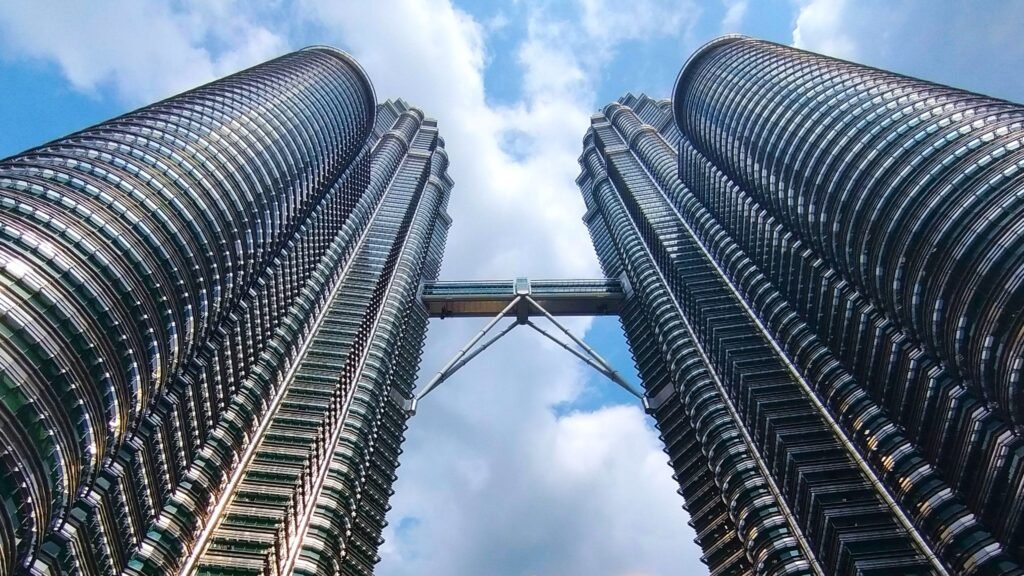
The country is split largely into two. In the west, you have the Malay Peninsula, which is attached to the mainland of Asia and where the capital city, Kuala Lumpur (AKA ‘KL’), is located. In the east, large parts of northern Borneo are also Malaysian. There are cities in Malaysian Borneo; however, it is less densely populated than the Malay Peninsula.
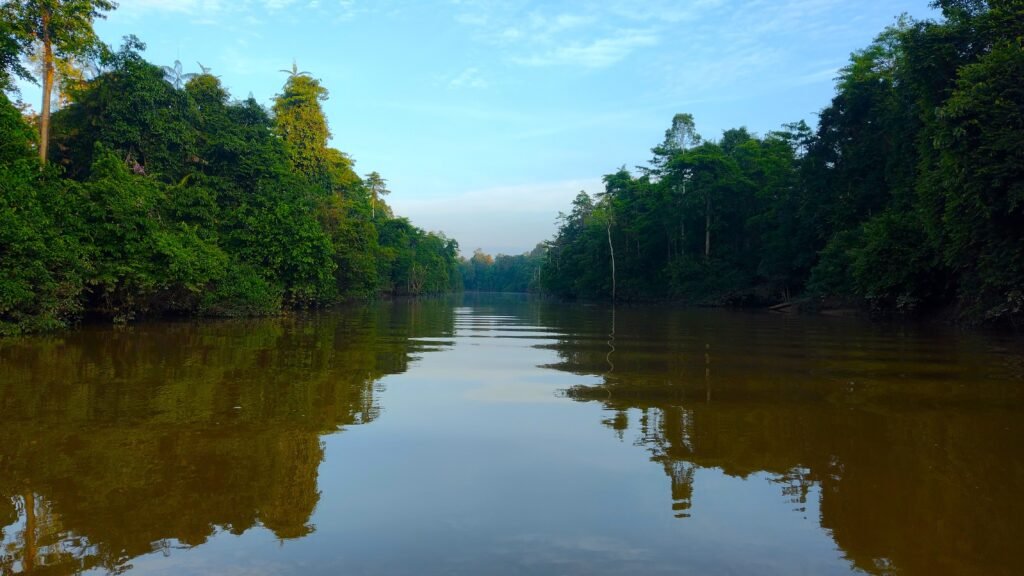
Malaysian Borneo isn’t widely travelled by backpackers and there isn’t much of a backpacker community there. I met a few couples, but there isn’t much of a solo traveller community, so you may find yourself spending a lot of time alone here. That being said, it is incredible, the wildlife is really cool and you can head upriver into the jungle, which is also really sweet to do. I have visited here; however, some people have told me that Sumatra, Indonesia, has some similarities for nature lovers and may offer more, but as I haven’t yet visited Sumatra, I cannot yet comment on that. There are also some chilled non-touristy cities like Sandakan.
I highly recommend the Malay Peninsula for travellers as it has loads to offer. All of Malaysia is very developed but still cheap, it’s clean and has a lot of cars on the road, unlike other south-east asian nations which have lots of locals on scooters. English is widespread and you have great countryside and cities here. The locals are easy to bond with and it’s really safe. Also, the Malay Peninsula has a good backpacker community as people tend to travel in a linear fashion (typically heading north from Kuala Lumpur), which means that you will see the same faces and build longer-term bonds with people, which is nice rather than having 2 days together and then going off in separate directions as can often be the case when travelling.
I also found the traveller demographic in Malaysia was different to many other, more touristy parts south-east Asia. Parts of Thailand and Indonesia, for example, attract an early twenties crowd, more of the “I’m just here to take a photo for my Instagram”-types. In Malaysia though, I didn’t find that and the age demographic was more mixed, making one of the best social sides of travelling I’ve come across. Travellers were social, outdoorsy and happy to get stuck in. The drinking and nightlife were great in places like Penang, but people still did other things without it being their whole personality.
I am not much of a foody, but I must say the food in Malaysia was amazing and similar (in my opinion) to Indonesian cuisine. They have lots of tasty rice dishes that are affordable and healthy.
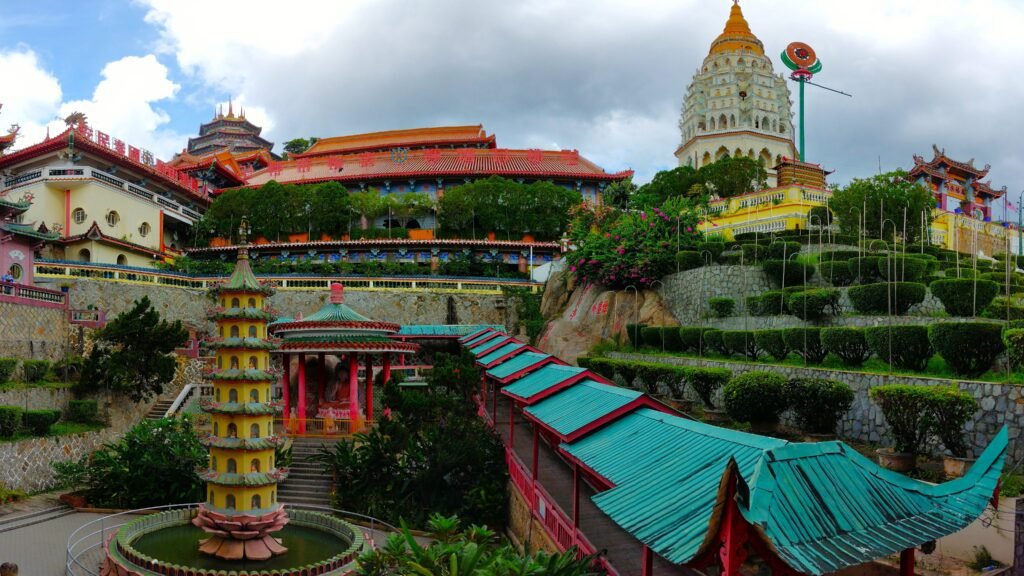
You have modern high-rise cities like Kuala Lumpur (‘KL’), historic cities with cool artwork like Georgetown, Penang, tea plantations and hiking like in the Cameron Highlands and islands such as Langkawi and Sipadan for island life and diving. It’s safe, fun, and easy to get on with the locals. I also loved hitchhiking through the mountains with the locals, which was one of my highlights there. It’s a safe and enjoyable place and with sufficient tourists for company without being overrun with them like in Bali, etc.
Language
Malaysia has oil money and is developed. Being a former British colony, many people speak English and I heard lots of English on radio adverts etc., so it seems widely used in day-to-day life. Even in remote areas of Borneo, people spoke good English as well as Bahasa Malaysia, Malaysia’s national language. Also, the languages of Malaysia and Indonesia are very, very similar, so you can easily go from one to the other.
Be aware that the national capital, Kuala Lumpur, is often referred to as ‘KL‘. A city in Malaysian Borneo called Kota Kinabalu is often called ‘KK‘.
Economy and Safety
Malaysia is affluent and benefits from revenues from oil and gas. As I mentioned before, you will notice a change between Malaysia and other south-east asian countries (with the exception of Singapore) in that Malaysia is more developed: infrastructure is better, most people drive cars rather than scooters, as is the case elsewhere in the region and education is obviously good there. It’s super safe, I hitchhiked there with ease, being picked up in typically less than 3 minutes in rural areas and I even met a very petite girl who had hitchhiked the whole country with no issues. The people are open, friendly and just generally lovely. That being said, hitchhike at your own risk and go in a group to reduce risk.
The only area of slight risk is off the eastern coast of Malaysian Borneo where, historically, pirates have operated at times. There are some great diving spots there, but it does carry more risk, so check the situation if you plan on going there. It’s a very small part of the country and the pirates are not Malaysian, from what I understand.
Ease of Travel
The Malay Peninsula is well-populated and transport is incredibly easy with buses available and taxis being affordable. Borneo however, is less touristy and has vast distances to cover, so it can be a bit more difficult to cover, so you may find yourself struggling to rent scooters in places or spending money on slightly expensive taxis for long distances (expansive meaning in the context of south-east Asia). That being said, I still had no issues with getting from A to B.
Beaches
You do get beaches, but frankly, I spent more time in the countryside and cities here as I was beached-out by this point in my travels. They are nice, though, especially in places like Georgetown and some of the islands.

Wildlife
The wildlife in Malaysia is phenomenal! There are so many interesting animals here, the marine life is great in both the Malay Peninsula and Malaysia Borneo, with many famous diving spots. Malaysian Borneo, however, is world-famous for wildlife. I saw loads of crazy animals when I was there, iguanas swimming through rivers and beautiful treetop walks. I also took a tour down a river into the jungle, seeing all sorts of animals and my favourite of the lot, proboscis monkeys! These funnny-looking fellows have a massive drooping nose and look and act a bit like grumpy old, overweight men, which is pretty funny. If you are a nature lover, be sure to check out Borneo and consider a jungle trip! The Perhentian Islands, among others, are famous for marine life, but more on that later.
Cities
The cities in Malaysia are very varied! You have your modern cities like Kuala Lumpur (KL), your historic cities like Georgetown, Ipoh and Malacca and your smaller but chilled cities like Sandakar and Kota Kinabalu (AKA ‘KK’).
People
They are great! Like I say, they all speak at least some English, and many are fluent. They are relaxed, no pushy sales or anything, as they are all well-off there. They are happy to help and like I say, hitchhiking there was a breeze and super fun. Some of my best memories involved my friends and me not booking seats on the only bus down from the Cameron Highlands back to the lowlands and hitchhiking instead. We ended up in a few vehicles, our first being the back of a pickup winding its way down through the mountains with stunning views all around, warm breeze in our hair and the biggest grins on our faces with all of us loving life.
History
Malaysia was a British Colony until 1957. Its borders are largely drawn from that colonial era, including its border in Borneo between the majority of the north (Malaysian) and the south (Indonesian); the latter being a separate country as Indonesia was a Dutch colony.
States Overview
Malaysia has two main regions. In the west, the Malay Peninsula and to the east, Malaysia Borneo, which occupies most of the north of the island of Borneo. I will give a brief overview below of these areas and have discussed my specific recommendations in the same way below.
Malay Peninsula
The Malay Peninsula is part of the Asian mainland, with Thailand to the north. You will find more cities and tourists here inlcding the nation’s capital of Kuala Lumpur (KL).
Malaysian Borneo
The island of Borneo is split between three countries. Indonesia governs the south of the island, with Malaysia governing much of northern Borneo. Surrounded by Malaysian Borneo is the small nation of Brunei.
There are travellers in Malaysia, Borneo; however, far fewer than in other parts of south-east Asia. Those I did meet tended to be around Sepilo,k which is famed for its wildlife conservation centres. You can also do an excursion into the jungle, which I loved. Don’t bank on meeting people to do it with you, though, as there are few backpackers there and the people I did meet tended to be couples travelling together. If you do want to do this with people, you may be better off find spontanious travellers who you befriend in the Malay Peninsula and entice them to come with you. You will find loads of wildlife here, from elephants to iguana, monkeys to marine life! I would say to come to Malaysian Borneo solo, then you’ll need to be a more confident traveller, extroverted and independent.
Overview Summary
Malaysia is an incredible country, and I loved my time there. It’s an affordable but developed nation. I found it very safe and loved how friendly the locals were. Many locals speak great English, so it’s easier to connect with them than in other parts of the world. It has great cities, landscapes and wildlife, both on land and in the sea. The Malay Peninsula is very easy to travel in, with Malaysian Borneo being amazing but less popular with tourists and a bit quieter. Both parts of the country are different. I would definitely recommend seeing the Malay Peninsula, and if you are a nature lover who wants to see crazy animals and the jungle, consider Malaysian Borneo as well. Malaysia’s location means it’s easy to get to to and from here from the rest of south-east Asia.
Best things to do in Malaysia 2026
For your ease, I have separated my recommendations into separate pages as follows…
I hope that you have found this free Travel Guide useful. It took a lot of time and travel for me to make this, so if you would like to show your thanks by sending a small donation, I would be very grateful. This can be done on my Support Me page. Thank you!
Happy travels!
Andy Argo
You may also like…
Enjoy hearing incredible stories of travellers from all walks of life as they share their stories of exploring the world
Check out my top tips for travellers – whether you’re planning your first trip or continuing the adventure!
Looking to save some money on travel and adventure brands? Use my exclusive discount codes to save on your next trip!
Title image: The Petronas Towers from across KLCC Park, Kuala Lumpur